Education is one of the most powerful tools for creating a better future. It has the potential to reshape societies, transform lives, and drive both personal and collective progress. Education not only equips individuals with the knowledge they need to thrive in an ever-changing world but also fosters critical thinking, creativity, and problem-solving abilities. In this article, we will explore the profound impact of education, its challenges, and the emerging trends that are revolutionizing learning in the 21st century.
The Evolving Landscape of Education
From Traditional Classrooms to Digital Learning Platforms
The educational landscape has witnessed tremendous transformation over the past few decades. Traditional classrooms, which were once the cornerstone of learning, have been supplemented and sometimes replaced by digital learning platforms. The COVID-19 pandemic accelerated the shift to online education, highlighting the need for flexible, accessible, and innovative learning methods.
- Online Learning Growth: With the proliferation of the internet and digital tools, online learning platforms have become more popular. Websites and apps offer courses on a wide range of topics, from K-12 subjects to university-level courses and professional certifications. These platforms provide students with the flexibility to learn at their own pace, from anywhere in the world.
- Hybrid Learning Models: The future of education seems to lie in a hybrid model that combines both traditional and digital learning. Hybrid learning allows for face-to-face interaction alongside virtual classes, giving students the best of both worlds. It also enables educators to reach a broader audience, overcoming geographical and logistical barriers.
- Learning Management Systems (LMS): With the rise of e-learning, Learning Management Systems (LMS) have gained prominence. These systems enable teachers to organize lessons, assessments, and student progress in one centralized platform. LMS platforms enhance engagement through interactive content and provide real-time feedback.
The Rise of Personalized Education
Personalized education focuses on tailoring learning experiences to the individual needs, interests, and learning styles of students. Unlike traditional one-size-fits-all teaching methods, personalized learning aims to empower students to learn at their own pace, ensuring better engagement and retention.
- Adapting to Student Needs: Personalized learning uses data and analytics to understand how students learn best. With adaptive learning technologies, such as artificial intelligence (AI) and machine learning, educational tools can provide customized pathways, content, and support.
- Student-Centered Learning: The shift towards personalized education also reflects a broader movement towards student-centered learning. In this model, students take an active role in their education, setting goals, tracking progress, and receiving personalized support from educators.
- Benefits of Personalization: Studies show that personalized learning can improve student outcomes by addressing specific weaknesses and enhancing strengths. It promotes intrinsic motivation, as students are more likely to stay engaged when they see the relevance of their studies to their personal interests.
The Global Impact of Education
Education as a Catalyst for Social and Economic Change
Education has long been regarded as the key to social mobility and economic development. By providing individuals with the skills and knowledge needed to succeed, education enables them to break the cycle of poverty, contribute to their communities, and drive economic growth.
- Reducing Inequality: Access to quality education can help level the playing field, offering individuals from all backgrounds the opportunity to succeed. In many parts of the world, education is seen as a means to address deep-seated inequalities in society. When individuals are educated, they are more likely to find good employment, which in turn boosts the economy.
- Empowering Women and Marginalized Groups: Education is particularly transformative for women and marginalized groups. Studies show that educating women can have far-reaching effects, not only improving their economic prospects but also benefiting their families and communities. Educated women are more likely to raise healthier children, participate in the workforce, and contribute to national economic growth.
- Economic Growth and Innovation: Countries with higher levels of educational attainment tend to have more dynamic economies. A well-educated workforce is essential for fostering innovation, boosting productivity, and attracting foreign investment. Education helps create a knowledge-driven economy that can adapt to new challenges and thrive in a globalized world.
Education and Global Citizenship
Education plays a crucial role in fostering global citizenship, which emphasizes understanding, empathy, and cooperation across borders. In an increasingly interconnected world, the need for global education has never been more pressing.
- Cultural Awareness and Understanding: Education encourages students to learn about different cultures, traditions, and worldviews. This understanding fosters tolerance and respect, essential for peaceful coexistence in a diverse world. Global education programs, such as exchange programs and international curricula, help broaden students’ perspectives and prepare them for a global workforce.
- Addressing Global Challenges: As the world faces challenges such as climate change, poverty, and social injustice, education is key to finding solutions. By teaching students about sustainability, social responsibility, and global challenges, we equip them with the knowledge and skills needed to contribute to solving these problems.
- Promoting Peace and Conflict Resolution: Education can be a powerful tool for peacebuilding, as it promotes dialogue, understanding, and cooperation. Through education, students can learn the value of diplomacy, conflict resolution, and peaceful negotiation, contributing to the prevention of future conflicts.
The Challenges Facing Education Today
Access to Education
One of the greatest challenges facing education globally is access. While progress has been made, millions of children and adults still lack access to quality education, particularly in low-income countries and rural areas.
- Disparities in Access: Disparities in access to education are often linked to factors such as income, location, and gender. In many parts of the world, girls, children with disabilities, and those in conflict zones face significant barriers to education.
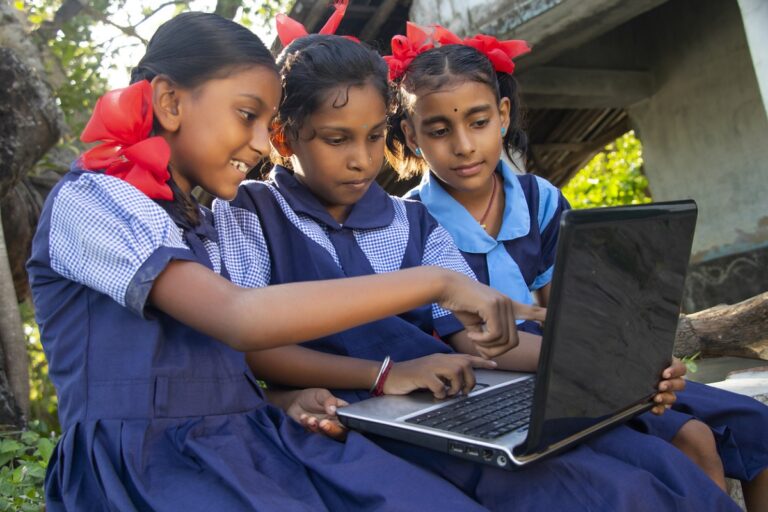
- The Digital Divide: As education becomes more reliant on technology, the digital divide poses a serious obstacle. In many developing countries, students lack the necessary devices and internet connectivity to participate in online learning. This divide exacerbates inequalities and hinders the ability to provide equitable education.
Quality of Education
Access to education is only part of the equation; the quality of education also plays a crucial role. While some countries and regions have made significant strides in improving education standards, others still face challenges in providing high-quality education to their populations.
- Teacher Training and Support: One of the most important factors in ensuring quality education is the effectiveness of teachers. Adequate teacher training, ongoing professional development, and fair compensation are essential for improving education outcomes. In many parts of the world, however, teachers often lack the resources and support they need to succeed in the classroom.
- Curriculum Relevance: In an ever-changing world, the curriculum must be adapted to meet the demands of the future. The rapid pace of technological advancements and the evolving job market require students to develop skills that go beyond traditional subjects. Incorporating skills such as critical thinking, creativity, and digital literacy into the curriculum is essential to preparing students for the future.
Financial Constraints
Education, particularly at the tertiary level, can be expensive. Financial constraints prevent many students from accessing higher education, limiting opportunities for upward mobility and personal development.
- Student Debt: In countries like the United States, the rising cost of higher education has led to increasing student debt. Many students graduate with substantial debt, which can take years, or even decades, to repay. This financial burden limits their ability to contribute to the economy and enjoy financial independence.
- Government Investment: Governments play a vital role in funding education. However, many countries face budgetary constraints that hinder their ability to invest adequately in their education systems. This results in overcrowded classrooms, outdated materials, and inadequate infrastructure.
The Future of Education: Emerging Trends and Innovations
Artificial Intelligence and Machine Learning in Education
Artificial intelligence (AI) and machine learning are transforming the education sector by providing personalized learning experiences, automating administrative tasks, and helping educators make data-driven decisions.
- AI in Learning: AI-powered tools can analyze student data to identify learning gaps and provide personalized content. These tools can adapt to each student’s learning pace and style, ensuring a tailored educational experience.
- Automation in Administration: AI can also streamline administrative processes, such as grading, attendance tracking, and scheduling, freeing up time for educators to focus on teaching. This automation helps improve efficiency and reduces the administrative burden on schools and universities.
- Data-Driven Insights: With the help of AI, educators can gain valuable insights into student performance, allowing them to identify areas of improvement and intervene early to address learning difficulties.
Virtual and Augmented Reality in Education
Virtual and augmented reality (VR and AR) are revolutionizing how students learn by providing immersive, hands-on experiences.
- Simulations and Virtual Labs: VR and AR allow students to conduct virtual experiments, participate in simulations, and explore complex concepts in ways that traditional classrooms cannot offer. This technology makes learning more interactive and engaging.
- Field Trips and Cultural Exploration: VR can take students on virtual field trips to historical sites, museums, and natural wonders, offering experiences that would be difficult or impossible to replicate in the real world.
- Enhanced Collaboration: AR and VR enable students to collaborate in virtual environments, interacting with peers and instructors from around the globe. This fosters a sense of global community and provides new opportunities for group learning.
Lifelong Learning and Continuous Education
In today’s fast-paced world, the concept of lifelong learning has gained prominence. As industries evolve and new technologies emerge, individuals must continually update their skills to remain competitive in the job market.
- Upskilling and Reskilling: With automation and AI changing the nature of work, there is a growing demand for upskilling and reskilling programs. Online courses, boot camps, and certifications provide flexible learning opportunities for professionals to acquire new skills and advance their careers.
- Microlearning: Microlearning involves short, focused lessons that can be consumed in small chunks. This method allows individuals to learn at their own pace, making it easier to fit learning into their busy lives.
- Corporate Training Programs: Many companies are investing in continuous education for their employees, offering training programs that help them stay current with industry trends and acquire new competencies.
Conclusion
Education is the cornerstone of personal and societal development. It empowers individuals, fosters innovation, and contributes to economic growth. While there are significant challenges in ensuring access to quality education worldwide, the future of education looks promising. Innovations in technology, such as AI, VR, and personalized learning, are transforming the way we learn and making education more accessible and relevant to the needs of the modern world.
As we continue to adapt to the demands of a rapidly changing society, education will remain the key to unlocking the potential of individuals and communities alike.
Frequently Asked Questions
How does education contribute to social mobility?
Education provides individuals with the skills and knowledge necessary to improve their socioeconomic status. By offering equal opportunities for learning, education helps reduce inequality and promotes upward mobility.
What are the challenges in providing quality education worldwide?
Challenges include lack of access to education, financial constraints, inadequate infrastructure, and insufficient teacher training. Ensuring quality education requires addressing these barriers and investing in both resources and innovation.
How is AI changing the education sector?
AI is revolutionizing education by providing personalized learning experiences, automating administrative tasks, and helping educators make data-driven decisions. It tailors education to individual student needs, improving outcomes.
What is the role of virtual and augmented reality in education?
VR and AR provide immersive learning experiences, allowing students to participate in simulations, explore virtual environments, and engage with complex concepts in interactive ways. These technologies enhance understanding and engagement.
Why is lifelong learning important?
Lifelong learning is essential in today’s rapidly changing job market. It enables individuals to adapt to new technologies, acquire new skills, and remain competitive in their careers. Continuous learning is crucial for personal growth and professional development.