

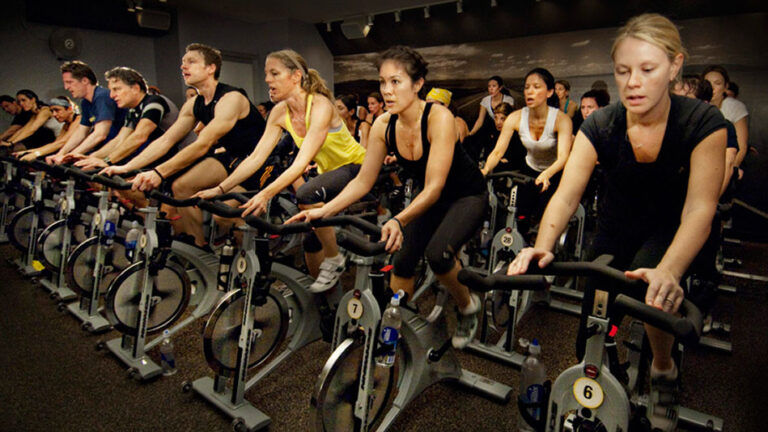
An indoor spin class delivers one of the most efficient full-body workouts, but like any physical activity, it requires mindfulness and smart adjustments to stay safe. Whether you’re recovering from a minor injury or managing chronic pain, knowing how to modify your ride can make the difference between progress and strain.
Cycling is considered a low-impact exercise, yet certain conditions like tight hips, weak core muscles, or improper bike setup can put unnecessary stress on the knees, back, or wrists. The key is to adapt your form and resistance to suit your body’s current state, not push through discomfort. With proper technique and awareness, spinning remains a safe, enjoyable way to stay fit even while you heal.
Understanding the Importance of Modification
Every rider has a unique physical condition, and injuries often occur when you ignore the signals your body sends. Pain is not a badge of effort — it’s a warning sign. Modifying your spin routine helps prevent aggravation while maintaining cardiovascular fitness and muscle tone.
Listening to your body involves more than noticing pain. It means adjusting resistance, posture, and movement patterns based on fatigue, flexibility, and recovery level. These conscious changes reduce pressure on injured areas and promote balanced muscle engagement, ensuring you strengthen safely.
Knee Pain: The Most Common Cyclist Concern
Knee discomfort is the most frequent issue among spin participants, usually caused by incorrect seat height or excessive resistance. Because the knee joint is highly sensitive to alignment, even small setup errors can lead to strain.
How to Modify Your Ride for Knee Health
-
Set the right seat height: Your knee should have a slight bend at the bottom of the pedal stroke. Overextending the leg causes pulling on the tendons, while sitting too low compresses the joint.
-
Adjust resistance wisely: Avoid riding with resistance that’s too high. It might build strength but can overload the joint. Maintain moderate resistance where pedalling feels smooth but stable.
-
Engage your core and glutes: When these muscles activate properly, they absorb force that would otherwise travel to your knees. Focus on pressing through the heels to recruit larger leg muscles.
-
Avoid standing climbs early: Standing places more weight on the knees. Wait until your legs are warmed up or skip standing intervals if discomfort persists.
Regular spinning under the right conditions can actually strengthen the muscles around the knees, improving joint stability over time.
Back Pain: Strengthening Support Without Strain
Lower back discomfort can occur when your posture collapses, your core disengages, or the handlebars are positioned incorrectly. Many office workers in Singapore already have tight hips and weak lower backs due to prolonged sitting, which can make spinning uncomfortable if alignment is off.
How to Modify for Back Comfort
-
Handlebar height: Start with handlebars slightly higher than the seat to reduce pressure on the spine. Gradually lower them only as your core strength improves.
-
Maintain a neutral spine: Avoid rounding your back or arching excessively. Keep your chest lifted and shoulders relaxed.
-
Engage your core throughout: The abdominal muscles should support your posture, not your hands or lower back. Imagine pulling your belly button gently toward your spine.
-
Avoid excessive leaning: Many riders lean too far forward when tired. Stay centered over the pedals to evenly distribute weight.
If your back pain persists, try breaking long rides into shorter intervals or include stretching before and after class. Hamstring and hip stretches in particular relieve tension that often contributes to back issues.
Wrist Pain: Managing Pressure and Posture
Wrist strain is another common concern, especially during long sessions or standing climbs. It often results from gripping the handlebars too tightly or placing too much body weight forward.
How to Modify for Wrist Safety
-
Check your grip: Hold the handlebars lightly with soft elbows. Your hands are there for balance, not full support.
-
Align your wrists: Keep them straight, not bent downward. Wrists should form a straight line with the forearms to avoid compression.
-
Shift hand positions: Change your grip periodically to relieve pressure and promote circulation.
-
Strengthen supporting muscles: Include exercises off the bike for your forearms and shoulders to improve stability.
If you feel tingling or numbness, reduce weight on your hands immediately by tightening your core and sitting slightly back on the saddle.
How to Recognise When to Stop
While minor adjustments can make spinning comfortable, there are times when rest is the best option. Stop your session and seek professional advice if you experience:
-
Sharp or shooting pain
-
Swelling around the joint
-
Persistent discomfort beyond 48 hours
-
Numbness or tingling sensations in the limbs
Ignoring these signs can worsen inflammation or cause compensatory injuries. Rest, ice, and mobility exercises may be necessary before resuming high-intensity workouts.
The Role of Warm-Up and Cool-Down in Injury Prevention
A proper warm-up is your body’s insurance policy. It increases blood flow, lubricates joints, and prepares muscles for exertion. Spend five minutes pedalling at light resistance, gradually increasing intensity. Include upper-body rotations and hip circles to loosen tight areas.
After class, slow your pedalling for several minutes, then stretch your calves, quads, hips, and back. Cooling down reduces lactic acid buildup and minimises soreness. Riders who skip cooldowns are more likely to experience stiffness or lingering discomfort.
Building Recovery Days Into Your Routine
Even experienced riders need recovery days. Muscles and joints repair themselves between workouts, not during them. Schedule at least one rest or light activity day per week. On recovery days, you can focus on flexibility-based sessions such as yoga, stretching, or foam rolling. These practices help maintain muscle elasticity and reduce injury recurrence.
Consistency matters, but so does balance. Overtraining increases fatigue and lowers coordination, which can lead to form breakdown — the root of most exercise-related injuries.
Using Resistance and Posture to Protect the Body
Your choice of resistance determines how your muscles and joints interact. Using too little resistance causes you to bounce in the saddle, which strains the knees and hips. Too much resistance can overburden the joints. The goal is to find a middle ground where your movements are fluid and controlled.
Pay attention to your breathing. Shallow, uneven breaths signal that your resistance or posture might need adjustment. When your breathing is steady, your form tends to follow suit.
How Professional Guidance Makes a Difference
Joining a studio like TFX provides professional supervision and custom adjustments for your body type. Experienced instructors can assess your form, recommend seat and handlebar changes, and guide you in pacing your effort. This personalised approach ensures that every session supports your goals without compromising safety.
Professional trainers also recognise the early signs of poor alignment or fatigue that you might miss on your own. A few corrections at the right time can prevent long-term issues and help you enjoy spinning pain-free.
Real-Life FAQs
1. Can I join spin classes if I have a previous knee injury?
Yes, but consult a physiotherapist first. Start with light resistance and short durations. Focus on smooth, controlled movements rather than speed or intensity.
2. What should I do if my back starts hurting during class?
Reduce resistance, sit upright, and re-engage your core. If pain continues, stop and stretch your hamstrings and lower back before resuming.
3. How do I prevent wrist pain in longer rides?
Keep a neutral wrist position and avoid putting full weight on your hands. Strengthen your shoulders and upper back to share the load more evenly.
4. Is it safe to do spin classes while recovering from an ankle sprain?
If the injury is mild and your doctor approves, yes. Keep resistance low, focus on proper alignment, and avoid standing climbs until stability improves.
5. Should I skip spin entirely during injury recovery?
Not always. Gentle spinning promotes blood circulation and can aid recovery, but intensity must remain low. Always prioritise healing over progress.
Every injury has its lessons, and spinning can be one of the safest ways to rebuild strength and confidence when approached mindfully. The goal isn’t to ride harder but smarter. By tuning into your body, adjusting your technique, and seeking guidance when needed, you can continue to enjoy your indoor spin class while protecting your joints, back, and wrists for years to come.