

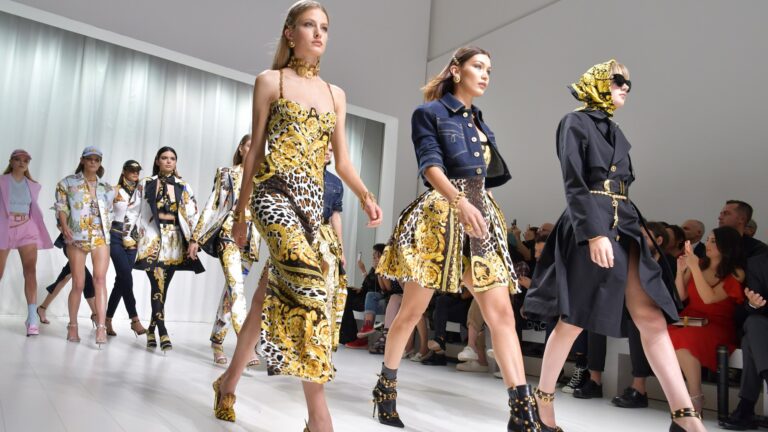
Fashion has always been an important aspect of human society, reflecting not only personal style but also the broader cultural, social, and economic landscapes. As we progress further into the 21st century, fashion continues to evolve, becoming more inclusive, sustainable, and technologically driven. This article explores the evolution of fashion, key trends, the growing emphasis on sustainability, and the cultural influences that shape what we wear.
The Evolution of Fashion Through the Ages
Historical Significance of Fashion
Fashion, as we know it today, has deep roots in history. From the regal attire of ancient civilizations to the extravagant gowns of the Victorian era, clothing has always been more than just protection against the elements. Throughout history, fashion has served as a symbol of status, wealth, power, and identity.
- Ancient Civilizations: In Egypt, Greece, and Rome, clothing was often used to signify one’s social class. Wealthy individuals wore garments made from fine linens, silks, and dyes, while the working class wore simpler, more functional clothing. The materials and styles were closely tied to a person’s role in society, highlighting the importance of fashion even in ancient times.
- The Middle Ages and Renaissance: During the Middle Ages, clothing became more elaborate, with intricate designs and heavy fabrics used by nobility. The Renaissance period brought a resurgence in interest in art and beauty, which directly influenced fashion, as fine materials like velvet, silk, and lace became highly sought after.
- The Industrial Revolution: The Industrial Revolution in the 18th century marked a shift in how clothing was produced. Mass production allowed for the widespread availability of fashion, democratizing style to a broader population. This period also introduced the concept of fashion seasons, with new collections debuting each year.
The Rise of Modern Fashion
The 20th century saw the emergence of modern fashion as a commercialized, globally influential industry. Designers such as Coco Chanel, Christian Dior, and Yves Saint Laurent revolutionized how clothing was perceived, with fashion houses becoming synonymous with luxury and creativity.
- Haute Couture: The 1940s and 50s were marked by the rise of haute couture, where high-end, custom-made garments were crafted for the elite. The idea of ready-to-wear collections, however, soon gained traction, making fashion accessible to the middle class and altering the way consumers interacted with designers.
- The Impact of Fashion Icons: Iconic figures like Audrey Hepburn, Marilyn Monroe, and James Dean helped define fashion trends throughout the 20th century. Their influence not only shaped what was worn but also demonstrated the growing connection between celebrity culture and fashion.
Key Trends Shaping Fashion Today
Inclusivity and Diversity in Fashion
One of the most significant shifts in recent years has been the move towards inclusivity and diversity within the fashion industry. Historically, fashion often marginalized certain body types, skin tones, and cultural backgrounds. However, in the modern age, the industry is becoming more accepting of diverse identities.
- Body Positivity: A growing emphasis on body positivity has led to more representation of various body types in fashion campaigns, runway shows, and advertisements. Brands are increasingly featuring models who reflect a wide range of shapes, sizes, and abilities.
- Cultural Diversity: Fashion is becoming more globally inclusive, with designers and brands celebrating cultural heritage through their collections. Traditional garments and techniques from various parts of the world are being incorporated into mainstream fashion, fostering a more inclusive and representative industry.
Sustainable Fashion: A Necessary Shift
Sustainability in fashion has moved from a niche concern to a global movement. With the fashion industry being one of the largest polluters in the world, consumers and designers alike are looking for ways to reduce the environmental impact of clothing production.
- Ethical Sourcing and Production: Brands are increasingly prioritizing ethical sourcing of materials, using organic cotton, bamboo, hemp, and other sustainable fabrics. Additionally, many fashion houses are focusing on ensuring fair labor practices in their supply chains, which is becoming an important aspect of a brand’s overall ethos.
- Upcycling and Recycling: The practice of upcycling—transforming old clothing into something new—has gained popularity as a sustainable alternative to fast fashion. Designers are taking discarded materials and reimagining them into high-fashion pieces, reducing waste and encouraging a circular economy.
- Second-Hand and Vintage Fashion: Shopping for second-hand or vintage clothing has surged, as consumers become more conscious of the environmental cost of mass-produced fashion. Thrift stores, online platforms, and even high-end resale markets are seeing increased demand as more people seek to extend the life cycle of their clothes.
Technological Integration in Fashion
Technology is playing an increasingly important role in the fashion industry, from the way clothing is designed to how it’s produced and marketed. Innovations are not only improving efficiency but also offering new possibilities for creativity.
- 3D Printing: 3D printing technology is transforming fashion design by enabling designers to create complex, customizable pieces with minimal waste. This technology allows for the creation of intricate patterns and structures that would be impossible to achieve with traditional manufacturing methods.
- Smart Fabrics: Smart fabrics are revolutionizing the way we think about clothing. These fabrics can change color, temperature, or texture based on external stimuli, making them ideal for adaptive fashion. For instance, some fabrics can monitor health metrics or even charge electronic devices, bringing new functionality to garments.
- Virtual Fashion: The rise of virtual fashion and digital clothing has begun to blur the lines between the physical and virtual worlds. Consumers can now purchase outfits for their digital avatars, which has led to a new market for fashion in the metaverse. While still in its infancy, digital fashion is quickly gaining popularity, especially within the gaming and social media spaces.
Fashion’s Cultural Influence: A Mirror of Society
Fashion and Identity
Fashion is a reflection of the individual and societal values. It serves as a tool for self-expression, allowing people to communicate their personality, mood, and beliefs without saying a word.
- Personal Style: The concept of personal style has become increasingly important in modern fashion. People no longer adhere strictly to trends; instead, they blend pieces that resonate with their identity and lifestyle. Fashion is no longer about following a set of rules; it’s about creativity and individuality.
- Fashion as Protest: Fashion has always been used as a form of political expression. From the punk movement of the 1970s to the Black Lives Matter movement’s use of clothing as a platform for activism, fashion can communicate social and political messages. Designers and consumers alike are using fashion to advocate for change, promoting social justice, gender equality, and environmental sustainability.
Fashion and Social Media
Social media has had a profound impact on the fashion industry. Platforms like Instagram, TikTok, and Pinterest have allowed designers, influencers, and everyday consumers to share their personal fashion choices and trends with a global audience.
- Influencers and Trendsetters: Fashion influencers have become key players in the industry, often setting trends and influencing purchasing decisions. Social media allows them to reach millions of followers and shape the conversation around fashion in real-time.
- Fast Fashion and Social Media: While social media has democratized fashion, it has also contributed to the rise of fast fashion. Brands are able to create and market clothing quickly, capitalizing on trends as they emerge. This cycle of constant consumption has created challenges regarding sustainability and ethical practices within the industry.
Fashion and the Future: What’s Next?
The Continued Rise of Sustainability
As consumer demand for sustainable practices continues to rise, the fashion industry is expected to become more transparent and accountable. The future of fashion will likely see an increased focus on reducing carbon footprints, supporting ethical labor practices, and fostering a more inclusive environment for all body types, backgrounds, and genders.
Innovations in Fabric and Manufacturing
In the coming years, we can expect further advancements in sustainable fabrics, as well as new production techniques that reduce waste. Bio-fabricated materials, such as those made from algae, fungi, and even food waste, are gaining traction. These innovations will be key in reducing the environmental impact of the fashion industry.
Digital Fashion and Virtual Reality
As the digital world becomes more integrated into daily life, the future of fashion may lie in the virtual realm. With the metaverse continuing to expand, digital fashion will likely become a dominant form of self-expression. Virtual clothing, for avatars, could become as significant as physical fashion, leading to entirely new ways of thinking about clothing and identity.
Frequently Asked Questions
What is the role of sustainability in fashion?
Sustainability in fashion involves reducing the environmental impact of clothing production, using ethical sourcing, and promoting circular fashion through upcycling and recycling. The goal is to create a more eco-friendly industry that prioritizes both people and the planet.
How has social media changed fashion trends?
Social media platforms have democratized fashion, allowing influencers and consumers to shape trends and share personal styles. It has also accelerated the speed at which trends emerge and disappear, leading to a constant cycle of new fashions.
What is the significance of inclusivity in fashion?
Inclusivity in fashion means representing diverse body types, ethnicities, and cultural backgrounds. It allows people to see themselves reflected in fashion, promoting self-expression and breaking down traditional beauty standards.
How are 3D printing and smart fabrics transforming fashion?
3D printing allows designers to create intricate, customizable pieces with minimal waste, while smart fabrics offer functionality, such as monitoring health or changing appearance. These innovations are pushing the boundaries of traditional fashion design.
Why is vintage fashion becoming more popular?
Vintage fashion is gaining popularity as consumers become more aware of the environmental impact of fast fashion. Buying second-hand clothing helps reduce waste, supports sustainable practices, and offers unique, timeless pieces that stand out from mass-produced items.