

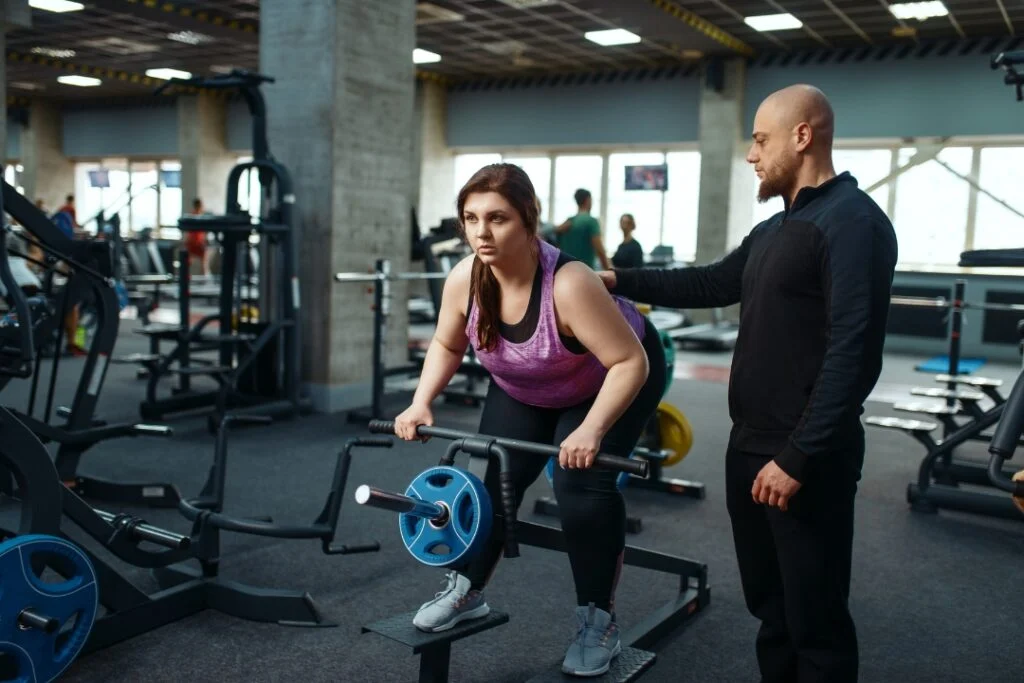
Sleep problems are becoming increasingly common among adults in Singapore. Late working hours, constant screen exposure, irregular meals, and high mental stress all interfere with the body’s natural recovery processes. Many people try supplements, meditation, or strict bedtime routines, yet still wake up feeling unrefreshed. What is often missing from the equation is structured physical training that supports hormonal balance and deep, restorative sleep.
Training consistently in a fitness gym singapore can significantly improve sleep quality by regulating hormones, reducing nervous system overload, and restoring natural recovery rhythms. Exercise is not just about burning energy. When programmed correctly, it teaches the body when to activate and when to switch off.
Why Sleep Quality Is Closely Linked to Physical Training
Sleep is the body’s primary recovery mechanism. During deep sleep phases, tissues repair, hormones are released, and the nervous system resets. When sleep quality is poor, the body struggles to adapt to daily stress, leading to fatigue, irritability, and reduced performance.
Structured training supports sleep by:
-
Creating healthy physical fatigue
-
Improving circadian rhythm stability
-
Reducing mental restlessness
-
Supporting hormonal release during sleep
Unlike random activity, intentional training sends clear signals to the body that encourage proper recovery cycles.
Understanding the Hormonal Role of Sleep
Hormones govern nearly every recovery process in the body. Sleep is when many of these hormones are released or regulated. When sleep is disrupted, hormone balance suffers, affecting energy, appetite, mood, and body composition.
Key hormones influenced by sleep include:
-
Growth hormone, responsible for tissue repair
-
Testosterone, essential for muscle maintenance and vitality
-
Cortisol, the primary stress hormone
-
Insulin, which regulates blood sugar and fat storage
Training influences how and when these hormones are released, making exercise a powerful tool for improving sleep quality.
How Strength Training Improves Deep Sleep Cycles
Deep sleep is the most restorative phase of sleep. It is during this stage that physical recovery and hormonal release peak. Strength-based training has been shown to increase the amount of deep sleep when sessions are appropriately timed and structured.
Strength training supports deep sleep by:
-
Increasing physical demand without overstimulation
-
Enhancing muscle recovery needs
-
Reducing excess nervous energy
-
Encouraging longer periods of uninterrupted sleep
This results in waking up feeling more refreshed rather than simply sleeping longer without quality rest.
Cortisol Regulation and Night-Time Relaxation
Cortisol naturally follows a daily rhythm. It should be higher in the morning and lower at night. Chronic stress and irregular exercise disrupt this pattern, keeping cortisol elevated into the evening.
Well-structured gym training helps normalise cortisol by:
-
Providing a controlled outlet for stress
-
Reducing emotional tension stored in the body
-
Improving post-exercise relaxation response
-
Supporting consistent daily rhythms
When cortisol levels drop appropriately at night, the body can transition into restful sleep more easily.
Why Overtraining Can Harm Sleep Quality
More exercise is not always better. Excessive training, especially high-intensity workouts performed too frequently, can overstimulate the nervous system and interfere with sleep.
Signs that training is harming sleep include:
-
Difficulty falling asleep despite fatigue
-
Restless or fragmented sleep
-
Elevated heart rate at night
-
Morning exhaustion
A structured programme balances effort and recovery, ensuring training improves sleep rather than disrupting it.
Timing of Training and Its Impact on Sleep
The timing of exercise plays a role in how it affects sleep. While some people benefit from evening workouts, others find late sessions too stimulating.
General principles include:
-
Morning or afternoon strength training often improves night-time sleep
-
Evening sessions should avoid excessive intensity
-
Consistency in training time helps regulate body clocks
-
Recovery routines after training support relaxation
Understanding personal response to training timing is key to optimising sleep benefits.
The Role of Muscle Recovery in Sleep Depth
Muscle recovery demands resources. When muscles are trained appropriately, the body prioritises recovery during sleep. This leads to deeper sleep cycles and improved hormone release.
Muscle-driven sleep benefits include:
-
Increased growth hormone secretion
-
Improved tissue repair
-
Reduced muscle stiffness upon waking
-
Better readiness for daily activity
This creates a positive cycle where training improves sleep, and sleep enhances training adaptation.
Why Gym Environment Matters for Recovery-Focused Training
Training environment influences recovery outcomes. Unstructured or overcrowded spaces often encourage rushed workouts and poor load management. A professional gym environment allows for controlled, recovery-focused training.
A quality gym supports recovery by offering:
-
Equipment that allows precise load adjustment
-
Space for controlled movement and breathing
-
Facilities that support post-workout relaxation
-
Programmes designed for long-term health, not exhaustion
This environment enables training that supports sleep rather than compromises it.
Sleep, Appetite Regulation, and Body Composition
Poor sleep disrupts hunger hormones, leading to increased cravings and reduced satiety. This often results in overeating, particularly late at night.
Training that improves sleep quality also helps:
-
Regulate appetite hormones
-
Reduce late-night snacking
-
Improve morning energy and focus
-
Support sustainable body composition changes
Facilities such as True Fitness Singapore provide the structure needed to align training, recovery, and lifestyle habits for better overall health.
Long-Term Benefits of Training-Induced Sleep Improvement
Improved sleep quality has far-reaching effects beyond feeling rested. Over time, better sleep enhances physical resilience, mental clarity, and emotional stability.
Long-term benefits include:
-
Improved immune function
-
Reduced injury risk
-
Enhanced mood and stress tolerance
-
Greater consistency in training and daily routines
These benefits compound, making sleep one of the most valuable outcomes of structured training.
FAQs
Q: Can strength training help with insomnia?
A: Yes. When programmed correctly, strength training improves sleep depth and reduces restlessness. However, excessive intensity or poor timing may have the opposite effect.
Q: Is it better to train in the morning or evening for sleep improvement?
A: Many people benefit from morning or afternoon training. Evening training can also help if intensity is controlled and sessions end early enough.
Q: How long does it take to see sleep improvements after starting training?
A: Many individuals notice improved sleep quality within two to four weeks of consistent training.
Q: Can training replace sleep supplements or medication?
A: Training can significantly improve sleep quality but should not replace medical advice or prescribed treatment when necessary.
Q: Does cardio or strength training improve sleep more effectively?
A: Strength training often produces deeper sleep improvements due to its impact on muscle recovery and hormone regulation.
Q: What if training makes me feel too energised at night?
A: This usually indicates excessive intensity or late session timing. Adjusting load, duration, or training schedule often resolves the issue.
Sleep is not a luxury. It is a biological necessity. When training is structured, intentional, and recovery-focused, it becomes one of the most effective tools for restoring deep sleep and long-term hormonal balance.



Comments are closed.