Author

Enoch Mitchell

Browsing

Selecting appropriate blockchain networks for stablecoin gambling significantly impacts overall experiences through practical effects on costs, speeds, and operational convenience. tether trc20 casinos provide specific advantages that accumulate into substantially superior outcomes compared to alternative network implementations. This knowledge helps players maximize entertainment value and minimize unnecessary expenditures while optimizing their gambling approaches.

Minimal transaction expenses

TRC20 transfers cost approximately 20-25 cents regardless of the amount transferred, the time of day, or the network traffic levels. This predictable low pricing contrasts sharply with Ethereum, where fees fluctuate between $3 and $15 based on congestion, sometimes spiking even higher during extreme demand periods. The cost consistency allows accurate gambling budget planning without worrying about unpredictable network charges consuming percentages of deposits or withdrawals. For players making weekly deposits throughout the year, TRC20 might cost under $15 annually compared to $150-300 on higher-fee networks. These savings represent meaningful budget improvements that translate directly into additional gambling capital or simply reduced costs for equivalent entertainment access.

Near-instant deposit crediting

Blockchain confirmations are complete within minutes, allowing casino accounts to be credited almost immediately after wallet transfers. This speed enables spontaneous gambling decisions without the planning required when using slower payment methods. Players can identify betting opportunities and act within timeframes that preserve the favorable odds or promotional terms that prompted their interest. The rapid processing eliminates psychological friction that might diminish enthusiasm during extended waiting periods. By the time slower networks complete confirmations, initial gambling impulses might fade, or opportunities might disappear, reducing overall engagement and satisfaction levels.

Predictable withdrawal timing

Casino operators processing TRC20 payouts can commit confidently to specific timeframes knowing network performance remains consistent. Many platforms complete withdrawals within 12-24 hours from request to wallet receipt, substantially faster than the multi-day waits common with traditional banking or congested blockchain alternatives. This rapid access to winnings improves cash flow for players who view gambling profits as accessible funds rather than permanently locked casino credits. The reliable timing also reduces anxiety about withdrawal completion. Players know approximately when to expect funds rather than facing uncertain waits that might extend unpredictably based on network conditions beyond anyone’s control.

Acceptance of platforms

Hundreds of licensed casinos now support TRC20 deposits, making this payment option as common as traditional Ethereum implementations across major gambling platforms. Players rarely encounter situations where their preferred network isn’t accepted, eliminating the need to maintain multiple wallet types or convert between different blockchain standards. This universal acceptance creates convenient experiences across various casino brands without adaptation requirements. Tron’s energy-efficient consensus mechanisms appeal to players concerned about cryptocurrency’s environmental impacts. The network processes transactions using minimal electricity compared to mining-based alternatives that consume substantial power. For environmentally conscious gamblers, this reduced carbon footprint provides additional justification beyond purely economic considerations when selecting payment networks.

Easy acquisition processes

Major exchanges and decentralised platforms offer straightforward TRC20 USDT purchasing options with deep liquidity, preventing significant slippage during conversions. Players acquire gambling funds quickly through simple exchange interfaces without navigating complex multi-step processes. The accessibility removes barriers that might otherwise discourage utilizing network-specific implementations despite their clear operational advantages. Players maintaining accounts at multiple gambling platforms use identical TRC20 wallet setups across all sites. This standardization simplifies fund management compared to scenarios requiring different blockchain networks for various casinos. The unified approach allows quick balance shifts between platforms when identifying favourable opportunities without conversion steps, introducing delays and additional costs. These accumulated benefits create substantially optimized gambling experiences compared to alternative blockchain implementations.

Sleep problems are becoming increasingly common among adults in Singapore. Late working hours, constant screen exposure, irregular meals, and high mental stress all interfere with the body’s natural recovery processes. Many people try supplements, meditation, or strict bedtime routines, yet still wake up feeling unrefreshed. What is often missing from the equation is structured physical training that supports hormonal balance and deep, restorative sleep.

Training consistently in a fitness gym singapore can significantly improve sleep quality by regulating hormones, reducing nervous system overload, and restoring natural recovery rhythms. Exercise is not just about burning energy. When programmed correctly, it teaches the body when to activate and when to switch off.

Why Sleep Quality Is Closely Linked to Physical Training

Sleep is the body’s primary recovery mechanism. During deep sleep phases, tissues repair, hormones are released, and the nervous system resets. When sleep quality is poor, the body struggles to adapt to daily stress, leading to fatigue, irritability, and reduced performance.

Structured training supports sleep by:

  • Creating healthy physical fatigue

  • Improving circadian rhythm stability

  • Reducing mental restlessness

  • Supporting hormonal release during sleep

Unlike random activity, intentional training sends clear signals to the body that encourage proper recovery cycles.

Understanding the Hormonal Role of Sleep

Hormones govern nearly every recovery process in the body. Sleep is when many of these hormones are released or regulated. When sleep is disrupted, hormone balance suffers, affecting energy, appetite, mood, and body composition.

Key hormones influenced by sleep include:

  • Growth hormone, responsible for tissue repair

  • Testosterone, essential for muscle maintenance and vitality

  • Cortisol, the primary stress hormone

  • Insulin, which regulates blood sugar and fat storage

Training influences how and when these hormones are released, making exercise a powerful tool for improving sleep quality.

How Strength Training Improves Deep Sleep Cycles

Deep sleep is the most restorative phase of sleep. It is during this stage that physical recovery and hormonal release peak. Strength-based training has been shown to increase the amount of deep sleep when sessions are appropriately timed and structured.

Strength training supports deep sleep by:

  • Increasing physical demand without overstimulation

  • Enhancing muscle recovery needs

  • Reducing excess nervous energy

  • Encouraging longer periods of uninterrupted sleep

This results in waking up feeling more refreshed rather than simply sleeping longer without quality rest.

Cortisol Regulation and Night-Time Relaxation

Cortisol naturally follows a daily rhythm. It should be higher in the morning and lower at night. Chronic stress and irregular exercise disrupt this pattern, keeping cortisol elevated into the evening.

Well-structured gym training helps normalise cortisol by:

  • Providing a controlled outlet for stress

  • Reducing emotional tension stored in the body

  • Improving post-exercise relaxation response

  • Supporting consistent daily rhythms

When cortisol levels drop appropriately at night, the body can transition into restful sleep more easily.

Why Overtraining Can Harm Sleep Quality

More exercise is not always better. Excessive training, especially high-intensity workouts performed too frequently, can overstimulate the nervous system and interfere with sleep.

Signs that training is harming sleep include:

  • Difficulty falling asleep despite fatigue

  • Restless or fragmented sleep

  • Elevated heart rate at night

  • Morning exhaustion

A structured programme balances effort and recovery, ensuring training improves sleep rather than disrupting it.

Timing of Training and Its Impact on Sleep

The timing of exercise plays a role in how it affects sleep. While some people benefit from evening workouts, others find late sessions too stimulating.

General principles include:

  • Morning or afternoon strength training often improves night-time sleep

  • Evening sessions should avoid excessive intensity

  • Consistency in training time helps regulate body clocks

  • Recovery routines after training support relaxation

Understanding personal response to training timing is key to optimising sleep benefits.

The Role of Muscle Recovery in Sleep Depth

Muscle recovery demands resources. When muscles are trained appropriately, the body prioritises recovery during sleep. This leads to deeper sleep cycles and improved hormone release.

Muscle-driven sleep benefits include:

  • Increased growth hormone secretion

  • Improved tissue repair

  • Reduced muscle stiffness upon waking

  • Better readiness for daily activity

This creates a positive cycle where training improves sleep, and sleep enhances training adaptation.

Why Gym Environment Matters for Recovery-Focused Training

Training environment influences recovery outcomes. Unstructured or overcrowded spaces often encourage rushed workouts and poor load management. A professional gym environment allows for controlled, recovery-focused training.

A quality gym supports recovery by offering:

  • Equipment that allows precise load adjustment

  • Space for controlled movement and breathing

  • Facilities that support post-workout relaxation

  • Programmes designed for long-term health, not exhaustion

This environment enables training that supports sleep rather than compromises it.

Sleep, Appetite Regulation, and Body Composition

Poor sleep disrupts hunger hormones, leading to increased cravings and reduced satiety. This often results in overeating, particularly late at night.

Training that improves sleep quality also helps:

  • Regulate appetite hormones

  • Reduce late-night snacking

  • Improve morning energy and focus

  • Support sustainable body composition changes

Facilities such as True Fitness Singapore provide the structure needed to align training, recovery, and lifestyle habits for better overall health.

Long-Term Benefits of Training-Induced Sleep Improvement

Improved sleep quality has far-reaching effects beyond feeling rested. Over time, better sleep enhances physical resilience, mental clarity, and emotional stability.

Long-term benefits include:

  • Improved immune function

  • Reduced injury risk

  • Enhanced mood and stress tolerance

  • Greater consistency in training and daily routines

These benefits compound, making sleep one of the most valuable outcomes of structured training.

FAQs

Q: Can strength training help with insomnia?
A: Yes. When programmed correctly, strength training improves sleep depth and reduces restlessness. However, excessive intensity or poor timing may have the opposite effect.

Q: Is it better to train in the morning or evening for sleep improvement?
A: Many people benefit from morning or afternoon training. Evening training can also help if intensity is controlled and sessions end early enough.

Q: How long does it take to see sleep improvements after starting training?
A: Many individuals notice improved sleep quality within two to four weeks of consistent training.

Q: Can training replace sleep supplements or medication?
A: Training can significantly improve sleep quality but should not replace medical advice or prescribed treatment when necessary.

Q: Does cardio or strength training improve sleep more effectively?
A: Strength training often produces deeper sleep improvements due to its impact on muscle recovery and hormone regulation.

Q: What if training makes me feel too energised at night?
A: This usually indicates excessive intensity or late session timing. Adjusting load, duration, or training schedule often resolves the issue.

Sleep is not a luxury. It is a biological necessity. When training is structured, intentional, and recovery-focused, it becomes one of the most effective tools for restoring deep sleep and long-term hormonal balance.

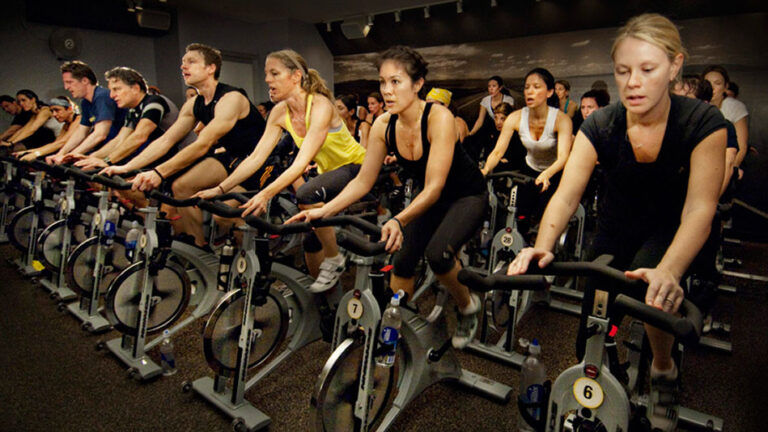
An indoor spin class delivers one of the most efficient full-body workouts, but like any physical activity, it requires mindfulness and smart adjustments to stay safe. Whether you’re recovering from a minor injury or managing chronic pain, knowing how to modify your ride can make the difference between progress and strain.

Cycling is considered a low-impact exercise, yet certain conditions like tight hips, weak core muscles, or improper bike setup can put unnecessary stress on the knees, back, or wrists. The key is to adapt your form and resistance to suit your body’s current state, not push through discomfort. With proper technique and awareness, spinning remains a safe, enjoyable way to stay fit even while you heal.

Understanding the Importance of Modification

Every rider has a unique physical condition, and injuries often occur when you ignore the signals your body sends. Pain is not a badge of effort — it’s a warning sign. Modifying your spin routine helps prevent aggravation while maintaining cardiovascular fitness and muscle tone.

Listening to your body involves more than noticing pain. It means adjusting resistance, posture, and movement patterns based on fatigue, flexibility, and recovery level. These conscious changes reduce pressure on injured areas and promote balanced muscle engagement, ensuring you strengthen safely.

Knee Pain: The Most Common Cyclist Concern

Knee discomfort is the most frequent issue among spin participants, usually caused by incorrect seat height or excessive resistance. Because the knee joint is highly sensitive to alignment, even small setup errors can lead to strain.

How to Modify Your Ride for Knee Health

  • Set the right seat height: Your knee should have a slight bend at the bottom of the pedal stroke. Overextending the leg causes pulling on the tendons, while sitting too low compresses the joint.

  • Adjust resistance wisely: Avoid riding with resistance that’s too high. It might build strength but can overload the joint. Maintain moderate resistance where pedalling feels smooth but stable.

  • Engage your core and glutes: When these muscles activate properly, they absorb force that would otherwise travel to your knees. Focus on pressing through the heels to recruit larger leg muscles.

  • Avoid standing climbs early: Standing places more weight on the knees. Wait until your legs are warmed up or skip standing intervals if discomfort persists.

Regular spinning under the right conditions can actually strengthen the muscles around the knees, improving joint stability over time.

Back Pain: Strengthening Support Without Strain

Lower back discomfort can occur when your posture collapses, your core disengages, or the handlebars are positioned incorrectly. Many office workers in Singapore already have tight hips and weak lower backs due to prolonged sitting, which can make spinning uncomfortable if alignment is off.

How to Modify for Back Comfort

  • Handlebar height: Start with handlebars slightly higher than the seat to reduce pressure on the spine. Gradually lower them only as your core strength improves.

  • Maintain a neutral spine: Avoid rounding your back or arching excessively. Keep your chest lifted and shoulders relaxed.

  • Engage your core throughout: The abdominal muscles should support your posture, not your hands or lower back. Imagine pulling your belly button gently toward your spine.

  • Avoid excessive leaning: Many riders lean too far forward when tired. Stay centered over the pedals to evenly distribute weight.

If your back pain persists, try breaking long rides into shorter intervals or include stretching before and after class. Hamstring and hip stretches in particular relieve tension that often contributes to back issues.

Wrist Pain: Managing Pressure and Posture

Wrist strain is another common concern, especially during long sessions or standing climbs. It often results from gripping the handlebars too tightly or placing too much body weight forward.

How to Modify for Wrist Safety

  • Check your grip: Hold the handlebars lightly with soft elbows. Your hands are there for balance, not full support.

  • Align your wrists: Keep them straight, not bent downward. Wrists should form a straight line with the forearms to avoid compression.

  • Shift hand positions: Change your grip periodically to relieve pressure and promote circulation.

  • Strengthen supporting muscles: Include exercises off the bike for your forearms and shoulders to improve stability.

If you feel tingling or numbness, reduce weight on your hands immediately by tightening your core and sitting slightly back on the saddle.

How to Recognise When to Stop

While minor adjustments can make spinning comfortable, there are times when rest is the best option. Stop your session and seek professional advice if you experience:

  • Sharp or shooting pain

  • Swelling around the joint

  • Persistent discomfort beyond 48 hours

  • Numbness or tingling sensations in the limbs

Ignoring these signs can worsen inflammation or cause compensatory injuries. Rest, ice, and mobility exercises may be necessary before resuming high-intensity workouts.

The Role of Warm-Up and Cool-Down in Injury Prevention

A proper warm-up is your body’s insurance policy. It increases blood flow, lubricates joints, and prepares muscles for exertion. Spend five minutes pedalling at light resistance, gradually increasing intensity. Include upper-body rotations and hip circles to loosen tight areas.

After class, slow your pedalling for several minutes, then stretch your calves, quads, hips, and back. Cooling down reduces lactic acid buildup and minimises soreness. Riders who skip cooldowns are more likely to experience stiffness or lingering discomfort.

Building Recovery Days Into Your Routine

Even experienced riders need recovery days. Muscles and joints repair themselves between workouts, not during them. Schedule at least one rest or light activity day per week. On recovery days, you can focus on flexibility-based sessions such as yoga, stretching, or foam rolling. These practices help maintain muscle elasticity and reduce injury recurrence.

Consistency matters, but so does balance. Overtraining increases fatigue and lowers coordination, which can lead to form breakdown — the root of most exercise-related injuries.

Using Resistance and Posture to Protect the Body

Your choice of resistance determines how your muscles and joints interact. Using too little resistance causes you to bounce in the saddle, which strains the knees and hips. Too much resistance can overburden the joints. The goal is to find a middle ground where your movements are fluid and controlled.

Pay attention to your breathing. Shallow, uneven breaths signal that your resistance or posture might need adjustment. When your breathing is steady, your form tends to follow suit.

How Professional Guidance Makes a Difference

Joining a studio like TFX provides professional supervision and custom adjustments for your body type. Experienced instructors can assess your form, recommend seat and handlebar changes, and guide you in pacing your effort. This personalised approach ensures that every session supports your goals without compromising safety.

Professional trainers also recognise the early signs of poor alignment or fatigue that you might miss on your own. A few corrections at the right time can prevent long-term issues and help you enjoy spinning pain-free.

Real-Life FAQs

1. Can I join spin classes if I have a previous knee injury?
Yes, but consult a physiotherapist first. Start with light resistance and short durations. Focus on smooth, controlled movements rather than speed or intensity.

2. What should I do if my back starts hurting during class?
Reduce resistance, sit upright, and re-engage your core. If pain continues, stop and stretch your hamstrings and lower back before resuming.

3. How do I prevent wrist pain in longer rides?
Keep a neutral wrist position and avoid putting full weight on your hands. Strengthen your shoulders and upper back to share the load more evenly.

4. Is it safe to do spin classes while recovering from an ankle sprain?
If the injury is mild and your doctor approves, yes. Keep resistance low, focus on proper alignment, and avoid standing climbs until stability improves.

5. Should I skip spin entirely during injury recovery?
Not always. Gentle spinning promotes blood circulation and can aid recovery, but intensity must remain low. Always prioritise healing over progress.

Every injury has its lessons, and spinning can be one of the safest ways to rebuild strength and confidence when approached mindfully. The goal isn’t to ride harder but smarter. By tuning into your body, adjusting your technique, and seeking guidance when needed, you can continue to enjoy your indoor spin class while protecting your joints, back, and wrists for years to come.

Health is one of the most vital aspects of our lives. It influences every facet of our well-being, from physical performance to mental stability and emotional resilience. The way we approach our health—through diet, exercise, mental well-being, and lifestyle choices—directly impacts how long and how well we live. In this article, we will explore the different dimensions of health, how modern science enhances our understanding of wellness, and practical steps for achieving optimal health.

Understanding the Different Dimensions of Health

Health is not limited to the absence of disease. It encompasses multiple dimensions, including physical, mental, emotional, and social well-being. These components are interconnected, each contributing to the overall health of an individual.

Physical Health

Physical health refers to the well-being of the body and its systems. Maintaining physical health involves proper nutrition, regular exercise, sleep, and preventing or managing chronic conditions.

  • Nutrition: A balanced diet is crucial for optimal physical health. Eating a variety of foods from all food groups ensures that your body receives the necessary nutrients it needs to function effectively. This includes proteins, carbohydrates, fats, vitamins, and minerals. For example, a diet rich in fruits, vegetables, lean proteins, and whole grains can help boost immunity, support healthy metabolism, and prevent chronic conditions like heart disease and diabetes.
  • Exercise: Regular physical activity strengthens the heart, improves circulation, boosts energy levels, and helps with weight management. The CDC recommends at least 150 minutes of moderate aerobic activity or 75 minutes of vigorous activity per week, along with muscle-strengthening exercises twice a week.
  • Sleep: Adequate sleep is essential for physical recovery. During sleep, the body repairs tissues, strengthens the immune system, and consolidates memories. Adults should aim for 7-9 hours of sleep per night for optimal health.

Mental Health

Mental health involves emotional, psychological, and social well-being. It affects how individuals think, feel, and act, and influences how they handle stress, relate to others, and make decisions.

  • Stress Management: Chronic stress can lead to mental health issues like anxiety and depression. Effective stress management techniques such as mindfulness meditation, deep breathing exercises, and time management are crucial to maintaining mental stability.
  • Cognitive Function: Mental health is also tied to cognitive function. Engaging in mentally stimulating activities like reading, problem-solving, and learning new skills can help keep the mind sharp as you age.
  • Therapy and Counseling: Professional help, such as therapy or counseling, can assist individuals in managing mental health conditions. Cognitive-behavioral therapy (CBT) and other therapeutic techniques have proven effective in treating anxiety, depression, and trauma.

Emotional Health

Emotional health relates to your ability to cope with life’s challenges and emotional experiences. A person who has good emotional health can manage stress, recover from setbacks, and express feelings constructively.

  • Emotional Regulation: Developing emotional intelligence—understanding and managing your emotions—helps in building strong, healthy relationships. Techniques like journaling, self-reflection, and practicing empathy towards others can improve emotional well-being.
  • Self-compassion: Being kind to yourself, especially in times of stress or failure, is crucial for emotional health. Embracing self-compassion reduces feelings of self-criticism and supports emotional resilience.

Social Health

Social health refers to the ability to form meaningful relationships and engage in social networks. Having a support system is important for overall health.

  • Social Connections: Positive relationships with family, friends, and colleagues can enhance happiness and reduce feelings of isolation. Social support systems provide emotional stability, promote better mental health, and can even encourage healthier behaviors.
  • Community Engagement: Being involved in your community, whether through volunteer work or joining groups with shared interests, can foster a sense of belonging and purpose.

Preventing Chronic Diseases: The Role of Lifestyle Choices

Lifestyle choices play a significant role in the prevention of chronic diseases such as heart disease, diabetes, and cancer. Adopting healthy habits early in life can help reduce the risk of these conditions as you age.

Preventive Health Measures

Preventive health includes a range of activities that can lower your risk of developing serious health conditions. These measures include regular check-ups, screenings, and vaccinations.

  • Screenings: Regular health screenings, such as blood pressure checks, cholesterol tests, and cancer screenings, help catch potential health issues early. Early detection increases the chances of successful treatment and management of chronic conditions.
  • Vaccinations: Immunizations are a critical part of preventive healthcare. Vaccines protect against a variety of infectious diseases, including the flu, pneumonia, and COVID-19. Staying up to date with vaccinations can prevent the spread of illness and safeguard both individual and public health.

The Impact of Smoking, Alcohol, and Drug Use

Avoiding harmful substances is essential to maintaining good health. Smoking, excessive alcohol consumption, and drug abuse can lead to a variety of serious health issues, including cancer, liver disease, lung disease, and mental health disorders.

  • Tobacco Use: Smoking is the leading cause of preventable deaths worldwide. Quitting smoking dramatically reduces the risk of developing heart disease, lung cancer, stroke, and chronic respiratory diseases.
  • Alcohol: While moderate alcohol consumption may have some health benefits, excessive drinking can lead to liver disease, heart problems, and mental health issues. The key to health is moderation.
  • Drug Use: Drug abuse can have severe physical and psychological consequences. It is essential to seek help if you or someone you know struggles with substance abuse.

Managing Weight and Nutrition

Maintaining a healthy weight is integral to preventing chronic diseases. Being overweight or obese increases the risk of developing conditions like type 2 diabetes, heart disease, and certain cancers.

  • Healthy Eating Habits: A balanced diet that includes plenty of fruits, vegetables, lean proteins, and whole grains helps regulate weight. Avoiding processed foods, sugary drinks, and excessive amounts of unhealthy fats can improve overall health.
  • Portion Control: Managing portion sizes is another key factor in weight management. Mindful eating practices can prevent overeating and help establish a healthy relationship with food.

Fitness and Exercise: The Cornerstone of Good Health

Exercise is an essential component of a healthy lifestyle. It not only helps with weight management but also strengthens muscles, improves cardiovascular health, and boosts mental well-being.

Benefits of Regular Physical Activity

  • Cardiovascular Health: Regular exercise strengthens the heart and increases circulation, reducing the risk of heart disease and stroke.
  • Muscle and Bone Strength: Weight-bearing exercises, such as resistance training, help maintain bone density and muscle strength, reducing the risk of osteoporosis and frailty as you age.
  • Mental Health: Exercise releases endorphins, the body’s natural mood elevators. Regular physical activity has been shown to reduce symptoms of depression and anxiety, improve sleep quality, and enhance cognitive function.

Types of Exercise

There are several types of exercises that individuals can engage in to improve overall fitness. These include:

  • Aerobic Exercise: Activities such as walking, running, swimming, or cycling help improve cardiovascular endurance.
  • Strength Training: Lifting weights, using resistance bands, or bodyweight exercises like squats and push-ups help increase muscle strength and endurance.
  • Flexibility and Balance: Yoga and Pilates improve flexibility, posture, and balance, which can help prevent falls and injuries, especially in older adults.

Mental Health: Nurturing Your Mind for a Balanced Life

Maintaining mental health is just as important as physical health. A person’s ability to manage stress, cope with life’s challenges, and maintain a positive outlook greatly influences overall well-being.

Practicing Mental Wellness

  • Mindfulness and Meditation: Mindfulness meditation practices can reduce stress, improve focus, and enhance overall mental clarity. Daily mindfulness practice, even for a few minutes, has been shown to significantly reduce anxiety and depression.
  • Cognitive Behavioral Therapy (CBT): CBT is a therapeutic approach that helps individuals identify and change negative thought patterns that can lead to mental health problems. It is especially effective in treating depression, anxiety, and stress.
  • Self-Care: Taking time to care for yourself is crucial for mental health. Activities like taking walks, reading, enjoying hobbies, or simply relaxing can help alleviate stress and improve mood.

Building Emotional Resilience

Resilience is the ability to bounce back from adversity. Developing emotional resilience involves managing emotions, maintaining hope, and cultivating problem-solving skills. Building strong social connections and seeking professional support when needed are important steps in developing emotional resilience.

Frequently Asked Questions (FAQs)

How can I maintain a balanced diet?

Maintaining a balanced diet involves eating a variety of foods that provide essential nutrients. Focus on including fruits, vegetables, lean proteins, whole grains, and healthy fats in your meals. Avoid processed foods and limit added sugars and unhealthy fats.

What are the best exercises for overall health?

The best exercises for overall health are a combination of aerobic activities (such as walking, running, or swimming), strength training (like weight lifting or bodyweight exercises), and flexibility exercises (such as yoga or stretching).

How can I manage stress effectively?

Effective stress management includes techniques such as mindfulness meditation, deep breathing exercises, regular physical activity, and establishing a strong social support network. Additionally, getting enough sleep and practicing time management can help reduce stress levels.

Why is mental health important for overall well-being?

Mental health is crucial for overall well-being because it influences how we think, feel, and act. Good mental health enables us to cope with stress, relate to others, make decisions, and enjoy life. Without mental health, physical health and social well-being can suffer.

Maintaining health is a lifelong journey that requires commitment, discipline, and education. By focusing on physical, mental, emotional, and social well-being, individuals can achieve optimal health and lead fulfilling lives.

The intensity of bikram yoga often sparks curiosity among newcomers and concern among older adults. Practised in a heated room that reaches around 40°C, this form of yoga blends traditional postures with an added thermal challenge. While it is known for boosting flexibility, cardiovascular endurance, and mental toughness, the heated environment can feel intimidating, particularly for beginners and seniors. The good news is that Bikram yoga can be made safe and accessible with the right modifications, preparation, and mindset.

Why Heat Can Be Both a Challenge and a Benefit

The high temperature is not simply a way to make participants sweat. It serves physiological purposes such as improving blood flow, enhancing muscle elasticity, and supporting detoxification through perspiration. However, for those new to the practice or for seniors, the heat can also feel overwhelming. Recognising this dual nature of heat is important. It can be a catalyst for growth if respected, but it can become a barrier if approached carelessly.

The key is to ease into the practice, listen to the body, and respect its limits. With consistency and guidance, both young beginners and older adults can benefit from the therapeutic aspects of Bikram yoga.

Adapting Bikram Yoga for Beginners

Beginners often find their first session intense, not because of the poses alone but because of the heat. The body is not yet accustomed to prolonged exposure at high temperatures, and the mind may resist the unfamiliar environment. Safe adaptations can help ease the transition.

Tips for first-time practitioners:

  • Start slow: Commit to staying in the room for the entire class, even if taking breaks in a resting position.

  • Hydrate in advance: Drink water before class, as waiting until the session begins can be too late.

  • Focus on form over depth: Correct alignment is more important than achieving the fullest version of the posture.

  • Embrace rest: Resting in child’s pose or savasana when needed allows the body to recover without guilt.

These small steps ensure that beginners build confidence without feeling defeated by the intensity of the practice.

Making Bikram Yoga Accessible for Seniors

Seniors may have different concerns, ranging from joint mobility to cardiovascular stability. For older adults, Bikram yoga offers unique benefits such as improved balance, joint lubrication, and mental clarity. Yet safety must be prioritised.

Adjustments for seniors:

  • Use gentle modifications: Reduced depth in backbends or supported variations can prevent strain on the spine.

  • Prioritise balance: Standing postures can be done near a wall or support if needed.

  • Monitor heart rate: The heated environment can raise cardiovascular demand, so pacing is crucial.

  • Shorter sessions initially: Seniors may begin with shortened classes or leave the room for a short break if necessary.

Over time, these adjustments allow older practitioners to enjoy the benefits of Bikram yoga without overexertion.

Understanding Hydration and Nutrition Needs

Sweat loss is a natural part of Bikram yoga, but dehydration is a real risk if hydration is not managed well. For both beginners and seniors, proper fluid and nutrient balance is crucial. Hydrating with plain water before and after class is the baseline, but including electrolyte-rich foods or drinks can further support recovery. Options like coconut water, bananas, and mineral-rich vegetables help restore the body’s balance after heavy sweating.

Eating a light, balanced meal two to three hours before class provides energy without causing discomfort. Overeating can lead to sluggishness, while under-eating may cause fatigue.

Mental Preparation and Emotional Benefits

Stepping into a heated studio for the first time can be daunting. Seniors may worry about endurance, while beginners often question whether they will last the entire session. A strong mental approach is essential. Practitioners should view the class as training not just for the body but also for resilience and patience. Each posture, even if not performed perfectly, is an opportunity to grow. Over time, both groups discover greater emotional stability, confidence, and self-discipline.

Importance of Breath Control

Breath is central to Bikram yoga. Controlled, deep breathing cools the nervous system and sustains endurance, even in the heat. Beginners may find themselves holding their breath out of strain, while seniors may unconsciously shorten their breath due to physical limitations. Focusing on calm and steady breathing helps regulate heart rate, reduces anxiety, and improves oxygen delivery to the muscles. This practice not only enhances yoga performance but also supports overall wellbeing.

Common Misconceptions about Bikram Yoga for Different Ages

  • Myth 1: Seniors should avoid hot yoga entirely.
    In reality, seniors can safely practise with proper guidance and modifications. The key lies in respecting limitations.

  • Myth 2: Beginners must complete every pose perfectly.
    Perfection is not the goal. Even partial participation brings benefits.

  • Myth 3: Sweating heavily means you are overexerting.
    Sweating is a natural cooling process, not necessarily a sign of danger. Staying mindful is what matters.

  • Myth 4: Heat is unsafe for anyone new.
    The body adapts with exposure. Many beginners gradually build tolerance over time.

Practical Tips for Safe Practice Across Ages

  • Arrive early to acclimatise to the heat before class begins

  • Wear lightweight, breathable clothing to support heat management

  • Listen to your body and do not push through pain

  • Build consistency with smaller commitments rather than rushing progress

  • Speak to the instructor about limitations so they can provide guidance

The Role of Community in Encouragement

Bikram yoga is often seen as an individual journey, but community support can make a significant difference. Practising alongside others of different ages fosters encouragement and reduces feelings of isolation. Seniors benefit from seeing younger people embrace patience, while beginners find inspiration from older adults who continue to challenge themselves. This cross-generational environment creates motivation for everyone involved.

The Singapore Context

Singapore’s ageing population and growing interest in holistic wellness make Bikram yoga increasingly relevant. The practice offers an outlet for younger people seeking physical fitness and older adults looking for longevity and mental clarity. Studios that provide safe and structured guidance ensure accessibility across age groups. Facilities like Yoga Edition highlight how yoga can adapt to every stage of life, offering an inclusive path to wellness.

FAQs about Bikram Yoga for Seniors and Beginners

Is Bikram yoga safe for people with joint pain?
Yes, with modifications. The heat can actually help loosen joints, but poses should be adapted to avoid strain. Consulting with a doctor beforehand is advisable.

Can beginners do Bikram yoga without prior yoga experience?
Absolutely. The sequence is fixed and predictable, making it easier for newcomers to follow over time. Patience is key in the first few classes.

Do seniors need medical clearance before attending classes?
It is recommended, especially for those with pre-existing conditions. A brief consultation ensures safety and builds confidence before starting.

What should I do if I feel dizzy during class?
Take a break in a seated or lying position and focus on breathing. Leaving the room briefly is acceptable if the discomfort does not subside.

How often should beginners and seniors practise Bikram yoga?
Two to three times a week is sufficient to build tolerance and reap benefits without overwhelming the body.

The landscape of cannabis dispensaries is ever-evolving, with an increasing array of products lining their shelves. From the aromatic bouquets of flower strains to the discreet and convenient edibles, modern dispensaries cater to a wealth of preferences and needs. Whether you’re a connoisseur or a newcomer, understanding what’s on offer can significantly enhance your dispensary visit. In this article, we’ll guide you through the different types of cannabis products available so you can make informed choices on your next trip.

The Rise of Cannabis Edibles: What to Expect at a Quality Dispensary

Cannabis edibles have surged in popularity for their ease of use and the absence of smoke-related concerns. A well-stocked dispensary will offer a wide range of edibles, from classic brownies and gummies to more sophisticated culinary creations like infused olive oils and artisan chocolates. With the evolution of the market, the dosing of edibles has become more precise, giving users consistent and predictable experiences.

Understanding dosage is critical with edibles because their effects can be more intense and longer-lasting than inhaled cannabis. Dispensaries have a responsibility to guide customers on how to consume edibles safely, including the recommended starting dose and the anticipated onset time. This information is crucial for avoiding overconsumption and ensuring a positive experience.

For the health-conscious consumer, Farmacy provides various dietary options, including gluten-free, vegan, and sugar-free products. As the industry grows, so does the attention to diverse dietary needs and preferences, allowing almost anyone to enjoy cannabis in an edible form.

Understanding Concentrates: Potency and Types Available

For those seeking a more potent experience, concentrates are a popular choice. They come in various forms, such as wax, shatter, oil, and resin, and are known for their high levels of THC. Because of their potency, concentrates are often consumed in smaller quantities, making them a cost-effective option over time.

The extraction process used to create concentrates can vary, leading to differences in potency and purity. CO2 and butane extractions are common, but some connoisseurs prefer solventless methods such as rosin, which preserve a fuller profile of cannabinoids and terpenes. Always ensure you’re aware of the extraction methods used in the concentrates you purchase for both health and experience considerations.

A quality cannabis dispensary will have knowledgeable staff ready to discuss the nuances of each type of concentrate. They can help you navigate the differences between the silky smoothness of a high-quality wax and the brittle snap of shatter. They can also advise you on the appropriate methods of consumption for each type, such as dabbing or vaping.

Topical and Tincture Selections: Exploring Cannabis for External Use

Aside from ingestible forms, cannabis is also available in topicals and tinctures, which can provide localized relief or systemic effects without psychoactive experiences. Topicals, including creams, balms, and patches, are applied directly to the skin for targeted relief of pain, inflammation, or skin conditions. Tinctures are liquid extracts taken sublingually (under the tongue), providing a more controlled dosage and quicker onset than edibles.

A quality dispensary will have an array of topical options featuring different cannabinoids, such as CBD or THC, sometimes in combination. Each product may aim to address different concerns, from muscle aches to skin hydration. Be sure to discuss your needs with dispensary staff, as they can advise on the most appropriate products and application methods.

Tinctures are especially suited for those seeking quick relief without the wait time associated with edibles. They offer an easy entry point to the world of cannabis for those who may be wary of smoking or vaping. With tinctures, dosing can be precisely controlled, allowing users to incrementally increase their dose until the desired effect is achieved.

Accessories and Paraphernalia: Enhancing Your Cannabis Experience

In addition to the wide array of cannabis products, dispensaries also offer a selection of accessories and paraphernalia designed to enhance the user experience. From stylish vaporizers and durable grinders to sophisticated glassware, finding the right tools can make your cannabis consumption more efficient and enjoyable.

Functionality is key when choosing accessories. For example, the right vaporizer can preserve the flavor and potency of concentrates, while a well-designed grinder can ensure flower is evenly prepared for smoking or vaping. Staff at quality dispensaries can guide you through these choices based on your preferred method of consumption and personal style.

Overall, a visit to a quality cannabis dispensary is an opportunity to explore a diverse landscape of products tailored to various preferences and needs. From the aromatic assortments of flowers to the potent precision of concentrates, and the discreet delight of edibles to the therapeutic touch of topicals, there’s something for everyone. With the right knowledge and guidance, your dispensary experience can be both enriching and enjoyable.

Shopping has evolved from a simple necessity into an intricate experience that touches nearly every aspect of our lives. From purchasing groceries to high-end luxury items, the way we shop can influence our finances, lifestyle, and even the environment. Whether you’re navigating physical retail stores or digital platforms, the process of shopping involves much more than just exchanging money for goods. In this article, we will explore various aspects of shopping, including tips for smart purchasing, the role of sustainability, and how to make informed decisions that benefit both your wallet and the planet.

The Evolution of Shopping: From Brick-and-Mortar to E-Commerce

Shopping has undergone significant transformations over the years, and the shift from in-person stores to online shopping has revolutionized how we purchase goods.

The Rise of E-Commerce

E-commerce, or online shopping, has become a dominant force in the retail industry. What started as a convenience for tech-savvy shoppers has now become the preferred way for millions of consumers to purchase everything from clothes to electronics. The key benefits of e-commerce include:

  • Convenience: Online shopping allows you to browse, compare, and purchase products from the comfort of your home, 24/7. You no longer have to deal with long lines, crowds, or limited store hours.
  • Variety: E-commerce platforms provide access to an incredibly wide range of products, including items not available locally. This global marketplace opens up more options for consumers, from international brands to niche products.
  • Price Comparison: Online shoppers can easily compare prices across different websites, ensuring they find the best deal. Many e-commerce platforms also offer reviews, helping consumers make informed purchasing decisions.

However, despite the growth of online shopping, brick-and-mortar stores remain relevant. Many consumers prefer the tactile experience of trying on clothes, testing products, and interacting with salespeople. In recent years, the integration of physical stores with online shopping experiences—such as curbside pickup and in-store returns for online purchases—has helped blend the best of both worlds.

The Impact of Mobile Shopping

With the rise of smartphones, mobile shopping has taken convenience to the next level. Shopping apps allow consumers to browse, shop, and make purchases with a few taps. Mobile shopping apps offer benefits such as:

  • Instant Access: Consumers can shop anytime, anywhere, whether they’re commuting, sitting at home, or waiting in line. Mobile apps enable seamless browsing and purchasing, making it easier for consumers to act on impulse.
  • Personalized Recommendations: Mobile shopping apps often use data to provide personalized product recommendations based on browsing habits and previous purchases. This creates a tailored shopping experience that appeals to consumers’ preferences.

The Omnichannel Shopping Experience

The omnichannel approach blends physical retail with digital shopping. Retailers are increasingly offering a seamless shopping experience across various platforms, allowing customers to shop online and in-store. Features of omnichannel shopping include:

  • Click-and-Collect: Customers can buy items online and pick them up at a nearby store, combining the convenience of online shopping with the immediacy of in-store pickup.
  • In-Store Technology: Some stores have introduced augmented reality (AR) apps that allow customers to visualize products in their homes before making a purchase, such as seeing how furniture will fit in a room.

How to Shop Smart: Making Informed Purchasing Decisions

Shopping smart goes beyond merely getting the best price. It’s about making purchases that are truly valuable, relevant, and suitable for your lifestyle.

Setting a Budget

The first step to smart shopping is setting a budget. This ensures that you don’t overspend or make impulse purchases that may not align with your financial goals. To create a budget:

  • Track Your Spending: Keep track of your monthly expenses, including fixed costs like rent and utilities, as well as variable expenses like groceries and entertainment. This will give you a clear picture of where your money is going.
  • Allocate Funds: Set a realistic amount to spend on different categories (e.g., clothing, electronics, food) and stick to those limits. This helps prevent unnecessary purchases and keeps you financially disciplined.
  • Use Cash: For discretionary spending, consider using cash or a debit card to limit the amount of money you can spend. Credit cards can encourage overspending by creating a sense of unlimited funds.

Research Before You Buy

In today’s digital age, it’s easier than ever to research products before making a purchase. Consider these steps:

  • Read Reviews: Customer reviews and ratings provide insight into the quality of a product. Look for verified reviews to ensure credibility. Pay attention to both positive and negative feedback to get a balanced understanding of the product.
  • Product Comparison: Use comparison websites to compare prices, features, and specifications across multiple brands and retailers. This helps you make an informed decision and ensures you get the best value for your money.
  • Consider the Return Policy: Always check the return and exchange policies of retailers before making a purchase. Some stores offer hassle-free returns, while others have stricter policies. Knowing your options can save you time and frustration if a product doesn’t meet your expectations.

Shopping for Quality Over Quantity

While it can be tempting to buy multiple items when there are sales or discounts, shopping for quality rather than quantity is a smarter approach. High-quality items often last longer, function better, and provide more value in the long term. Focus on purchasing products that are:

  • Durable: Items made from high-quality materials tend to last longer, reducing the need for frequent replacements. For example, purchasing durable furniture, high-end cookware, or quality electronics can save money over time.
  • Timeless: Investing in classic items—such as a well-tailored suit, quality leather bag, or versatile footwear—ensures that your purchases won’t go out of style and can be used season after season.

Sustainable Shopping: Contributing to a Greener Future

As consumer awareness about the environment continues to grow, sustainable shopping has become a priority for many. Sustainable shopping involves making purchasing decisions that are good for the environment, support ethical practices, and promote the well-being of workers.

Eco-Friendly Products

When shopping for eco-friendly products, consider those that are made from sustainable materials, such as bamboo, organic cotton, or recycled materials. Additionally, look for products that are:

  • Long-Lasting: Durable goods that won’t need to be replaced frequently are more environmentally friendly than disposable products.
  • Energy-Efficient: Products that use less energy, such as LED light bulbs, energy-efficient appliances, or low-flow showerheads, help reduce energy consumption and lower carbon emissions.
  • Biodegradable: Items that are biodegradable break down naturally over time, reducing waste in landfills.

Ethical Fashion

The fashion industry is one of the largest contributors to pollution and unethical labor practices. To make more sustainable fashion choices:

  • Support Brands with Ethical Practices: Look for clothing brands that prioritize fair wages, good working conditions, and sustainable sourcing of materials. Many companies now provide transparency about their supply chain and manufacturing processes.
  • Buy Second-Hand: Thrift shopping and buying second-hand clothes reduce waste and give pre-loved items a second life. Vintage stores and online second-hand marketplaces make it easy to find unique, quality items at a lower cost.
  • Limit Fast Fashion: Fast fashion encourages overproduction and waste. By choosing to buy fewer, high-quality pieces instead of trendy, disposable items, you contribute to reducing the environmental impact of the fashion industry.

Conscious Food Shopping

Food shopping is another area where sustainable choices can make a big difference. When shopping for food:

  • Buy Local and Seasonal: Supporting local farmers and purchasing seasonal produce reduces the carbon footprint associated with transporting food over long distances.
  • Reduce Food Waste: Plan meals in advance, use leftovers creatively, and compost food scraps to minimize waste. Many grocery stores now offer discounted items that are close to their expiration date, which can be a great way to save money and reduce food waste.
  • Packaging: Choose products with minimal or recyclable packaging to reduce plastic waste. Opting for bulk items or reusable containers helps reduce single-use plastic consumption.

The Psychology of Shopping: How to Avoid Impulse Purchases

Impulse buying is a common challenge that many shoppers face. While occasional splurges are part of the shopping experience, excessive impulse purchases can lead to financial strain and clutter. Understanding the psychology behind impulse buying can help you make more mindful decisions.

The Influence of Sales and Discounts

Sales and discounts are designed to create urgency and a sense of excitement. While a good deal can be tempting, ask yourself:

  • Do I need this item? Consider whether the item is truly necessary or if it’s just a temporary desire sparked by the discount.
  • Can I wait? Many sales are repeated throughout the year. If it’s something you don’t need immediately, it might be worth waiting for another discount or deal.

Emotional Triggers

Sometimes, shopping is influenced by emotions rather than necessity. Whether it’s boredom, stress, or a desire to feel good, emotional triggers can lead to impulse buys. To avoid this:

  • Pause Before Purchasing: Take a moment to reflect on whether the item aligns with your needs and values before adding it to your cart.
  • Create a Wish List: If you see something you like but don’t need, add it to a wish list and revisit it in a few weeks to see if you still want it. Often, the desire fades, and the item is no longer appealing.

Frequently Asked Questions (FAQs)

How can I save money while shopping for high-quality products?

To save money while shopping for high-quality products, consider waiting for seasonal sales, looking for discount codes online, and shopping at outlets or second-hand stores. Additionally, focus on purchasing items that are versatile and durable, so they last longer.

What is sustainable shopping, and why is it important?

Sustainable shopping involves making environmentally and ethically conscious purchasing decisions. This includes choosing products made from sustainable materials, supporting ethical brands, and reducing waste. It’s important because it helps reduce environmental harm, supports fair labor practices, and contributes to a healthier planet.

How can I avoid impulse purchases while shopping online?

To avoid impulse purchases, create a shopping list before browsing online, set a budget, and use apps or browser extensions that help track and limit your spending. Additionally, pause for a moment to evaluate whether the item is a true need or just a fleeting desire before completing the purchase.

How can I shop more sustainably for food?

To shop more sustainably for food, consider buying local and seasonal produce, choosing products with minimal packaging, reducing food waste by meal planning, and opting for reusable bags and containers. Supporting farmers’ markets and choosing organic products when possible also helps reduce the environmental impact.

Shopping is an art that requires thoughtful decision-making, research, and a commitment to making sustainable choices. By adopting a mindful approach to shopping, consumers can make purchases that not only benefit their lifestyle but also contribute to a better, more sustainable future.

The concept of “home” goes far beyond the physical structure of a house. A home is a sanctuary that provides comfort, safety, and a sense of belonging. It is a reflection of who we are, our values, and our lifestyle. From designing the perfect layout to ensuring that our homes are energy-efficient and environmentally friendly, every aspect plays a crucial role in enhancing the quality of life. This article will explore various facets of creating and maintaining a comfortable, sustainable, and functional home, including interior design, space optimization, sustainability, and the importance of mental well-being in a home environment.

The Importance of Home Design and Layout

When it comes to a home, the design and layout are fundamental in determining how we feel within the space. A well-thought-out design can enhance functionality, aesthetics, and overall comfort.

Open Floor Plans vs. Traditional Layouts

The debate between open floor plans and traditional layouts has been ongoing for years. Open floor plans, which combine multiple spaces such as the kitchen, dining, and living areas into one larger space, have become increasingly popular. The main benefits of open floor plans include:

  • Increased Social Interaction: Open spaces allow for better communication and interaction between family members, making them ideal for socializing or entertaining.
  • Natural Light: With fewer walls, natural light can flow freely throughout the home, reducing the need for artificial lighting and creating a brighter, more inviting atmosphere.
  • Flexibility: Open layouts offer flexibility in furniture arrangement and usage, allowing for easier adaptation to different needs over time.

However, traditional layouts, which divide rooms into distinct areas, can offer advantages as well:

  • Privacy: Separate rooms provide more privacy, which is particularly important in larger households or for those who work from home.
  • Quiet Zones: Rooms that are closed off allow for quiet zones where one can retreat to focus or relax without distractions.
  • Energy Efficiency: Smaller rooms with fewer open spaces are often easier to heat and cool, improving energy efficiency in certain climates.

Multi-Functional Spaces

As homes continue to shrink in size, creating multi-functional spaces has become a key consideration in modern home design. Multi-functional rooms can serve various purposes, such as:

  • Home Office and Guest Room: With the rise of remote work, many people are converting spare bedrooms into home offices. By incorporating a fold-out bed or a convertible sofa, these rooms can also double as guest accommodations when needed.
  • Living Room and Play Area: In homes with young children, it’s practical to turn part of the living room into a play area. Using modular furniture that can be easily reconfigured allows the space to serve multiple functions while maintaining a cohesive aesthetic.

Sustainable and Smart Home Design

Sustainability in home design has gained significant importance in recent years. Homeowners are increasingly looking for ways to reduce their environmental footprint and improve energy efficiency. Here are some key considerations for sustainable home design:

  • Energy-Efficient Appliances: Investing in energy-efficient appliances, such as refrigerators, dishwashers, and washing machines, reduces electricity consumption and lowers utility bills over time.
  • Smart Home Technology: Incorporating smart home systems allows homeowners to control lighting, heating, cooling, and security from their smartphones. Smart thermostats, for example, can adjust the temperature based on occupancy, leading to energy savings.
  • Sustainable Building Materials: Choosing sustainable materials such as bamboo, reclaimed wood, and recycled metal can help reduce a home’s environmental impact.

Interior Design: Creating a Personalized and Functional Space

Interior design is not just about aesthetics; it’s also about creating a functional environment that supports the lifestyle of the people who live there. The right design can improve mood, increase productivity, and enhance well-being.

Choosing the Right Color Palette

The color palette of a room can have a profound impact on how we feel. Colors influence our emotions, energy levels, and even productivity. Some key points to consider when choosing colors include:

  • Calming Colors: Soft, neutral tones such as beige, gray, and pastel shades are known to have a calming effect. These are ideal for bedrooms and living areas where relaxation is a priority.
  • Energizing Colors: Bright colors like yellow, orange, and red are known to boost energy and can be used in spaces like kitchens or home offices to encourage focus and creativity.
  • Accent Colors: Using accent colors in throw pillows, rugs, and artwork can add depth and personality to a room without overwhelming the space.

Furniture and Space Optimization

Furniture is a key component of any home, but it’s not just about aesthetics—it also plays a significant role in space optimization. For small homes, maximizing space is essential. Some tips for optimizing space include:

  • Multipurpose Furniture: Look for furniture that serves more than one function, such as a sofa that converts into a bed, or a dining table with built-in storage.
  • Vertical Storage: To save floor space, use vertical storage solutions such as shelves or tall cabinets. This can free up valuable space in smaller rooms while keeping the area organized.
  • Declutter: Regularly decluttering your space can make a room feel more spacious and less chaotic. Investing in storage solutions like baskets and bins can help keep things organized and out of sight.

Lighting and Ambiance

Lighting plays a crucial role in setting the ambiance of a room. Proper lighting can enhance the mood of a space and make it more functional. Consider the following tips:

  • Layered Lighting: Use a combination of ambient, task, and accent lighting to create a balanced atmosphere. Overhead lights provide general illumination, while task lighting focuses on specific areas, such as reading lamps or kitchen task lights.
  • Natural Light: Maximizing natural light can make a room feel more open and airy. Use light, sheer curtains or blinds that allow light to filter in while maintaining privacy.
  • Dimmer Switches: Installing dimmer switches allows you to adjust the intensity of the light based on the time of day or the desired mood.

Sustainable Living in the Home

Sustainability is more than just a trend; it is a necessary shift towards creating homes that minimize environmental impact. Sustainable living focuses on reducing energy consumption, conserving resources, and using environmentally friendly products and practices.

Energy Efficiency

One of the most effective ways to create a sustainable home is by improving energy efficiency. This includes both the design of the home and the habits of the people who live in it. Consider these strategies:

  • Solar Panels: Installing solar panels on your home’s roof can significantly reduce reliance on non-renewable energy sources, helping to lower your carbon footprint and reduce electricity costs.
  • High-Quality Insulation: Proper insulation ensures that heat stays in during winter and remains cool in the summer, reducing the need for excessive heating and cooling.
  • LED Lighting: Switching to LED light bulbs can save up to 80% of energy compared to traditional incandescent bulbs and lasts much longer, making it a cost-effective and eco-friendly option.

Water Conservation

Water conservation is another key aspect of sustainable living. Here are some ways to conserve water in the home:

  • Low-Flow Fixtures: Installing low-flow showerheads, faucets, and toilets can reduce water usage without sacrificing performance.
  • Rainwater Harvesting: Collecting rainwater for use in irrigation or cleaning can help reduce the demand on local water supplies and lower water bills.
  • Water-Efficient Appliances: Choose washing machines and dishwashers that are designed to use less water while still performing effectively.

Green Cleaning Practices

Using eco-friendly cleaning products can help reduce your exposure to harmful chemicals while also benefiting the environment. Opt for non-toxic, biodegradable cleaners or create your own using natural ingredients like vinegar, baking soda, and lemon juice. These solutions are often just as effective as commercial cleaners and much safer for the home and the planet.

Mental Well-Being and the Home Environment

The home environment plays a significant role in mental well-being. A cluttered or chaotic living space can lead to increased stress and anxiety, while a well-organized and peaceful environment can promote relaxation and tranquility.

Creating a Calm and Relaxing Space

To create a calm and relaxing home environment, consider the following:

  • Personalization: Incorporate elements that make the space feel uniquely yours, such as personal artwork, family photos, or sentimental objects. Personalization helps create a sense of ownership and comfort.
  • Nature and Biophilic Design: Bringing nature into the home—whether through houseplants, natural light, or outdoor spaces—can have a profound positive impact on mental well-being. Research shows that biophilic design, which incorporates natural elements into the built environment, can reduce stress and enhance mood.

Reducing Noise Pollution

Noise pollution can negatively impact sleep, concentration, and overall well-being. To reduce noise in the home:

  • Soundproofing: Use soundproofing materials, such as heavy curtains or acoustic panels, to reduce noise transmission between rooms.
  • White Noise: Adding a white noise machine or a gentle fan can help drown out background noise and create a peaceful environment.

Frequently Asked Questions (FAQs)

What are the key elements of sustainable home design?

Sustainable home design focuses on energy efficiency, water conservation, use of eco-friendly materials, and minimizing the environmental impact of construction and daily living. Key elements include solar energy, high-quality insulation, water-saving fixtures, and sustainable building materials.

How can I optimize space in a small home?

To optimize space in a small home, consider multi-functional furniture, use vertical storage, and regularly declutter. Utilizing every corner and wall for storage can help make a small space feel more organized and spacious.

What are the benefits of open floor plans?

Open floor plans provide increased social interaction, better natural light flow, and more flexibility in furniture arrangement. These layouts are ideal for families who want to foster communication and create a spacious, airy environment.

How can I make my home more energy-efficient?

Making your home more energy-efficient can be done through upgrades like installing solar panels, using LED lighting, ensuring proper insulation, and investing in energy-efficient appliances. These steps can reduce energy consumption, lower utility bills, and contribute to environmental sustainability.

Creating a home that is both comfortable and sustainable requires thoughtful planning and design. By considering factors like layout, interior design, energy efficiency, and mental well-being, homeowners can create a space that not only meets their practical needs but also promotes long-term health and happiness.

Gaming has undergone a remarkable transformation over the past few decades. From the early days of pixelated screens and simplistic mechanics to today’s immersive, hyper-realistic experiences, gaming has become a multifaceted industry that influences not only entertainment but also culture, education, and social interaction. In this comprehensive guide, we will delve into the evolution of gaming, exploring its technological advancements, impact on society, and the future of this dynamic medium.

The Beginnings of Gaming

The Birth of Video Games

The history of video games dates back to the 1950s and 1960s when early experiments were made to create interactive experiences. One of the first video games ever created was Tennis for Two, developed by physicist William Higinbotham in 1958. This simple two-player tennis game, displayed on an oscilloscope, marked the beginning of what would later become a global phenomenon.

In 1972, the release of Pong, designed by Atari founder Nolan Bushnell, brought video gaming to the masses. This was one of the first commercially successful arcade games and is considered a major turning point in the history of gaming. The simplicity of Pong and other early arcade games, such as Space Invaders (1978) and Pac-Man (1980), showcased the potential for gaming as an entertainment medium, leading to the rapid growth of the arcade game industry.

The Rise of Home Consoles

By the early 1980s, home consoles began to enter the market, providing a new way for players to enjoy games in their homes. The Atari 2600, released in 1977, became one of the most influential gaming consoles, paving the way for future systems. This was followed by the introduction of the Nintendo Entertainment System (NES) in 1985, which helped to rejuvenate the gaming industry after the video game crash of 1983.

The NES’s success was due in part to its high-quality games and innovative design, which allowed players to enjoy titles like Super Mario Bros., The Legend of Zelda, and Metroid. The rise of consoles marked a significant shift in the way games were developed and played, leading to the creation of iconic franchises that still dominate the industry today.

Technological Advancements: Powering the Future of Gaming

The Evolution of Graphics and Processing Power

As technology advanced, so too did the quality of video game graphics. The 1990s saw the advent of 3D graphics, allowing for more immersive and dynamic gaming experiences. The introduction of systems like the Sony PlayStation and the Nintendo 64 brought groundbreaking titles such as Final Fantasy VII, Super Mario 64, and GoldenEye 007, which pushed the boundaries of what was possible in terms of visual fidelity and gameplay.

In the 2000s, the rise of high-definition graphics and more powerful consoles like the PlayStation 3, Xbox 360, and Nintendo Wii led to even more lifelike environments and characters. Games such as The Elder Scrolls IV: Oblivion, Halo 3, and Super Smash Bros. Brawl showcased the capabilities of these consoles and set new standards for graphics, sound, and gameplay.

Today, the latest gaming consoles—such as the PlayStation 5 and Xbox Series X—boast incredibly detailed graphics with 4K resolution, ray tracing, and high frame rates. The power of modern consoles and PCs has made it possible to create virtual worlds that are almost indistinguishable from reality, with incredible attention to detail and interactive environments.

Virtual Reality and Augmented Reality

Virtual Reality (VR) and Augmented Reality (AR) have emerged as the next frontiers in gaming technology. VR headsets like the Oculus Rift, HTC Vive, and PlayStation VR offer players the ability to fully immerse themselves in virtual worlds. This immersive experience takes gaming to the next level by enabling players to look around, interact with objects, and feel as though they are truly inside the game world.

AR, on the other hand, enhances the real world with digital elements. Games like Pokémon GO have introduced millions to the world of AR gaming, where players interact with virtual objects overlaid on the real world. While AR gaming is still in its early stages, its potential to transform how games are played and experienced is immense.

The Impact of Gaming on Culture and Society

Gaming as a Form of Social Interaction

One of the most significant changes in the gaming landscape has been the rise of online multiplayer games. Starting with early online games like Warcraft and EverQuest in the late 1990s, multiplayer gaming became a dominant force in the industry. The advent of broadband internet in the early 2000s led to the explosion of online gaming, allowing players from around the world to connect and compete in real-time.

Games like World of Warcraft, League of Legends, Fortnite, and Overwatch have created massive online communities where millions of players interact, form friendships, and engage in cooperative or competitive gameplay. Online multiplayer gaming has not only expanded the reach of video games but also created new social dynamics, with in-game voice chat, streaming, and esports tournaments further enhancing the social aspect of gaming.

Esports: The Professionalization of Gaming

Esports, or competitive gaming, has emerged as a multi-billion-dollar industry. Professional gamers compete in tournaments for large cash prizes and sponsorship deals, drawing in millions of viewers both online and in person. Games like Dota 2, Counter-Strike: Global Offensive, and League of Legends have established esports leagues with global followings, and platforms like Twitch and YouTube have made it easier than ever for gamers to stream their gameplay to a wide audience.

Esports has become an accepted form of entertainment, with major tournaments being broadcast on television and featured in mainstream media outlets. Universities and colleges now offer scholarships for competitive gaming, further cementing esports as a legitimate career path for talented players.

Gaming and Education

Beyond entertainment, gaming has also found its place in education. Serious games, or games designed for educational purposes, are being used in schools, universities, and even the military to teach a variety of subjects, from history and science to problem-solving and strategic thinking. Games like Civilization and SimCity encourage critical thinking and strategic decision-making, while games like Minecraft are used to teach everything from architecture to coding.

The gamification of education has made learning more engaging and interactive, allowing students to actively participate in their education through immersive experiences. This trend has also extended to corporate training, where simulation-based games are used to develop leadership and teamwork skills in a more hands-on environment.

The Future of Gaming: What’s Next?

Cloud Gaming

Cloud gaming is rapidly emerging as a game-changer in the gaming industry. Services like Google Stadia, NVIDIA GeForce Now, and Xbox Cloud Gaming allow players to stream games directly to their devices without the need for expensive hardware. Instead of running games locally, the computing power is provided by powerful remote servers, making high-quality gaming accessible to anyone with an internet connection.

Cloud gaming could make gaming more affordable by eliminating the need for expensive gaming consoles or PCs. It also allows players to access a wide variety of games on-demand, making it easier than ever to discover new titles and jump into gameplay.

Artificial Intelligence and Procedural Generation

Artificial Intelligence (AI) and procedural generation are technologies that are poised to revolutionize gaming. AI can be used to create more dynamic and responsive game worlds, where NPCs (non-playable characters) react intelligently to player actions and adapt to changing conditions. This can make the gaming experience feel more immersive and personalized.

Procedural generation, which involves creating game content algorithmically rather than manually, allows for the creation of vast, procedurally generated worlds with endless possibilities. Games like No Man’s Sky and Minecraft have shown the potential of this technology, where entire planets, ecosystems, and environments can be generated on the fly, creating an infinite number of unique experiences for players.

The Metaverse

The concept of the Metaverse, a fully immersive, interconnected virtual world where people can socialize, work, and play, is another exciting development in the future of gaming. Companies like Facebook (now Meta) are already investing heavily in creating metaverse experiences, and many believe that gaming will play a central role in its development.

In the Metaverse, players will be able to not only play games but also engage in virtual economies, build virtual businesses, and interact with others in ways that were previously unimaginable. The potential of the Metaverse to blend gaming, social interaction, and virtual reality is immense, and it could become the next frontier of entertainment and digital experience.

Frequently Asked Questions (FAQs)

What are the best gaming platforms for beginners?

For beginners, it’s recommended to start with user-friendly platforms like the Nintendo Switch, which offers a variety of family-friendly games, or PC gaming with easy-to-access platforms like Steam or Epic Games Store. Consoles like the Xbox Series X and PlayStation 5 are also great for those who want a seamless gaming experience without the complexity of building a gaming PC.

How has gaming impacted social interactions?

Gaming has created a global platform for social interactions through online multiplayer games. Players can connect with others across the world, form friendships, and even compete in esports. In-game communication, streaming, and social media platforms have all enhanced the social aspect of gaming, making it a collaborative and interactive experience.

Will cloud gaming replace traditional gaming consoles?

Cloud gaming has the potential to replace traditional gaming consoles in the future, especially as internet speeds improve and cloud services become more reliable. While consoles will likely remain a popular choice for many players, cloud gaming could provide more flexibility, allowing players to access games without the need for expensive hardware.

The gaming industry has evolved from a niche pastime to a global phenomenon that influences multiple aspects of society. With constant technological advancements, gaming will continue to push boundaries and provide new experiences for players worldwide. As the industry progresses, the future of gaming looks brighter than ever, with innovations like cloud gaming, AI, and the Metaverse leading the way.

Fashion has always been an important aspect of human society, reflecting not only personal style but also the broader cultural, social, and economic landscapes. As we progress further into the 21st century, fashion continues to evolve, becoming more inclusive, sustainable, and technologically driven. This article explores the evolution of fashion, key trends, the growing emphasis on sustainability, and the cultural influences that shape what we wear.

The Evolution of Fashion Through the Ages

Historical Significance of Fashion

Fashion, as we know it today, has deep roots in history. From the regal attire of ancient civilizations to the extravagant gowns of the Victorian era, clothing has always been more than just protection against the elements. Throughout history, fashion has served as a symbol of status, wealth, power, and identity.

  • Ancient Civilizations: In Egypt, Greece, and Rome, clothing was often used to signify one’s social class. Wealthy individuals wore garments made from fine linens, silks, and dyes, while the working class wore simpler, more functional clothing. The materials and styles were closely tied to a person’s role in society, highlighting the importance of fashion even in ancient times.
  • The Middle Ages and Renaissance: During the Middle Ages, clothing became more elaborate, with intricate designs and heavy fabrics used by nobility. The Renaissance period brought a resurgence in interest in art and beauty, which directly influenced fashion, as fine materials like velvet, silk, and lace became highly sought after.
  • The Industrial Revolution: The Industrial Revolution in the 18th century marked a shift in how clothing was produced. Mass production allowed for the widespread availability of fashion, democratizing style to a broader population. This period also introduced the concept of fashion seasons, with new collections debuting each year.

The Rise of Modern Fashion

The 20th century saw the emergence of modern fashion as a commercialized, globally influential industry. Designers such as Coco Chanel, Christian Dior, and Yves Saint Laurent revolutionized how clothing was perceived, with fashion houses becoming synonymous with luxury and creativity.

  • Haute Couture: The 1940s and 50s were marked by the rise of haute couture, where high-end, custom-made garments were crafted for the elite. The idea of ready-to-wear collections, however, soon gained traction, making fashion accessible to the middle class and altering the way consumers interacted with designers.
  • The Impact of Fashion Icons: Iconic figures like Audrey Hepburn, Marilyn Monroe, and James Dean helped define fashion trends throughout the 20th century. Their influence not only shaped what was worn but also demonstrated the growing connection between celebrity culture and fashion.

Key Trends Shaping Fashion Today

Inclusivity and Diversity in Fashion

One of the most significant shifts in recent years has been the move towards inclusivity and diversity within the fashion industry. Historically, fashion often marginalized certain body types, skin tones, and cultural backgrounds. However, in the modern age, the industry is becoming more accepting of diverse identities.

  • Body Positivity: A growing emphasis on body positivity has led to more representation of various body types in fashion campaigns, runway shows, and advertisements. Brands are increasingly featuring models who reflect a wide range of shapes, sizes, and abilities.
  • Cultural Diversity: Fashion is becoming more globally inclusive, with designers and brands celebrating cultural heritage through their collections. Traditional garments and techniques from various parts of the world are being incorporated into mainstream fashion, fostering a more inclusive and representative industry.

Sustainable Fashion: A Necessary Shift

Sustainability in fashion has moved from a niche concern to a global movement. With the fashion industry being one of the largest polluters in the world, consumers and designers alike are looking for ways to reduce the environmental impact of clothing production.

  • Ethical Sourcing and Production: Brands are increasingly prioritizing ethical sourcing of materials, using organic cotton, bamboo, hemp, and other sustainable fabrics. Additionally, many fashion houses are focusing on ensuring fair labor practices in their supply chains, which is becoming an important aspect of a brand’s overall ethos.
  • Upcycling and Recycling: The practice of upcycling—transforming old clothing into something new—has gained popularity as a sustainable alternative to fast fashion. Designers are taking discarded materials and reimagining them into high-fashion pieces, reducing waste and encouraging a circular economy.
  • Second-Hand and Vintage Fashion: Shopping for second-hand or vintage clothing has surged, as consumers become more conscious of the environmental cost of mass-produced fashion. Thrift stores, online platforms, and even high-end resale markets are seeing increased demand as more people seek to extend the life cycle of their clothes.

Technological Integration in Fashion

Technology is playing an increasingly important role in the fashion industry, from the way clothing is designed to how it’s produced and marketed. Innovations are not only improving efficiency but also offering new possibilities for creativity.

  • 3D Printing: 3D printing technology is transforming fashion design by enabling designers to create complex, customizable pieces with minimal waste. This technology allows for the creation of intricate patterns and structures that would be impossible to achieve with traditional manufacturing methods.
  • Smart Fabrics: Smart fabrics are revolutionizing the way we think about clothing. These fabrics can change color, temperature, or texture based on external stimuli, making them ideal for adaptive fashion. For instance, some fabrics can monitor health metrics or even charge electronic devices, bringing new functionality to garments.
  • Virtual Fashion: The rise of virtual fashion and digital clothing has begun to blur the lines between the physical and virtual worlds. Consumers can now purchase outfits for their digital avatars, which has led to a new market for fashion in the metaverse. While still in its infancy, digital fashion is quickly gaining popularity, especially within the gaming and social media spaces.

Fashion’s Cultural Influence: A Mirror of Society

Fashion and Identity

Fashion is a reflection of the individual and societal values. It serves as a tool for self-expression, allowing people to communicate their personality, mood, and beliefs without saying a word.

  • Personal Style: The concept of personal style has become increasingly important in modern fashion. People no longer adhere strictly to trends; instead, they blend pieces that resonate with their identity and lifestyle. Fashion is no longer about following a set of rules; it’s about creativity and individuality.
  • Fashion as Protest: Fashion has always been used as a form of political expression. From the punk movement of the 1970s to the Black Lives Matter movement’s use of clothing as a platform for activism, fashion can communicate social and political messages. Designers and consumers alike are using fashion to advocate for change, promoting social justice, gender equality, and environmental sustainability.

Fashion and Social Media

Social media has had a profound impact on the fashion industry. Platforms like Instagram, TikTok, and Pinterest have allowed designers, influencers, and everyday consumers to share their personal fashion choices and trends with a global audience.

  • Influencers and Trendsetters: Fashion influencers have become key players in the industry, often setting trends and influencing purchasing decisions. Social media allows them to reach millions of followers and shape the conversation around fashion in real-time.
  • Fast Fashion and Social Media: While social media has democratized fashion, it has also contributed to the rise of fast fashion. Brands are able to create and market clothing quickly, capitalizing on trends as they emerge. This cycle of constant consumption has created challenges regarding sustainability and ethical practices within the industry.

Fashion and the Future: What’s Next?

The Continued Rise of Sustainability

As consumer demand for sustainable practices continues to rise, the fashion industry is expected to become more transparent and accountable. The future of fashion will likely see an increased focus on reducing carbon footprints, supporting ethical labor practices, and fostering a more inclusive environment for all body types, backgrounds, and genders.

Innovations in Fabric and Manufacturing

In the coming years, we can expect further advancements in sustainable fabrics, as well as new production techniques that reduce waste. Bio-fabricated materials, such as those made from algae, fungi, and even food waste, are gaining traction. These innovations will be key in reducing the environmental impact of the fashion industry.

Digital Fashion and Virtual Reality

As the digital world becomes more integrated into daily life, the future of fashion may lie in the virtual realm. With the metaverse continuing to expand, digital fashion will likely become a dominant form of self-expression. Virtual clothing, for avatars, could become as significant as physical fashion, leading to entirely new ways of thinking about clothing and identity.

Frequently Asked Questions

What is the role of sustainability in fashion?

Sustainability in fashion involves reducing the environmental impact of clothing production, using ethical sourcing, and promoting circular fashion through upcycling and recycling. The goal is to create a more eco-friendly industry that prioritizes both people and the planet.

How has social media changed fashion trends?

Social media platforms have democratized fashion, allowing influencers and consumers to shape trends and share personal styles. It has also accelerated the speed at which trends emerge and disappear, leading to a constant cycle of new fashions.

What is the significance of inclusivity in fashion?

Inclusivity in fashion means representing diverse body types, ethnicities, and cultural backgrounds. It allows people to see themselves reflected in fashion, promoting self-expression and breaking down traditional beauty standards.

How are 3D printing and smart fabrics transforming fashion?

3D printing allows designers to create intricate, customizable pieces with minimal waste, while smart fabrics offer functionality, such as monitoring health or changing appearance. These innovations are pushing the boundaries of traditional fashion design.

Why is vintage fashion becoming more popular?

Vintage fashion is gaining popularity as consumers become more aware of the environmental impact of fast fashion. Buying second-hand clothing helps reduce waste, supports sustainable practices, and offers unique, timeless pieces that stand out from mass-produced items.