

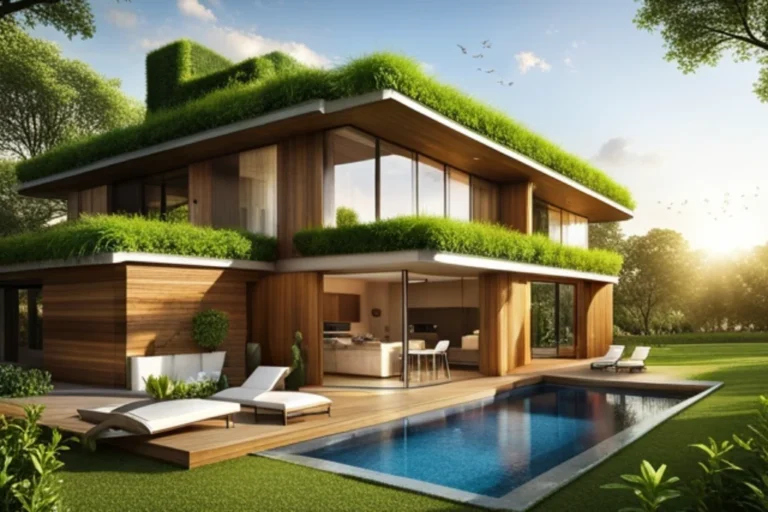
The concept of “home” goes far beyond the physical structure of a house. A home is a sanctuary that provides comfort, safety, and a sense of belonging. It is a reflection of who we are, our values, and our lifestyle. From designing the perfect layout to ensuring that our homes are energy-efficient and environmentally friendly, every aspect plays a crucial role in enhancing the quality of life. This article will explore various facets of creating and maintaining a comfortable, sustainable, and functional home, including interior design, space optimization, sustainability, and the importance of mental well-being in a home environment.
The Importance of Home Design and Layout
When it comes to a home, the design and layout are fundamental in determining how we feel within the space. A well-thought-out design can enhance functionality, aesthetics, and overall comfort.
Open Floor Plans vs. Traditional Layouts
The debate between open floor plans and traditional layouts has been ongoing for years. Open floor plans, which combine multiple spaces such as the kitchen, dining, and living areas into one larger space, have become increasingly popular. The main benefits of open floor plans include:
- Increased Social Interaction: Open spaces allow for better communication and interaction between family members, making them ideal for socializing or entertaining.
- Natural Light: With fewer walls, natural light can flow freely throughout the home, reducing the need for artificial lighting and creating a brighter, more inviting atmosphere.
- Flexibility: Open layouts offer flexibility in furniture arrangement and usage, allowing for easier adaptation to different needs over time.
However, traditional layouts, which divide rooms into distinct areas, can offer advantages as well:
- Privacy: Separate rooms provide more privacy, which is particularly important in larger households or for those who work from home.
- Quiet Zones: Rooms that are closed off allow for quiet zones where one can retreat to focus or relax without distractions.
- Energy Efficiency: Smaller rooms with fewer open spaces are often easier to heat and cool, improving energy efficiency in certain climates.
Multi-Functional Spaces
As homes continue to shrink in size, creating multi-functional spaces has become a key consideration in modern home design. Multi-functional rooms can serve various purposes, such as:
- Home Office and Guest Room: With the rise of remote work, many people are converting spare bedrooms into home offices. By incorporating a fold-out bed or a convertible sofa, these rooms can also double as guest accommodations when needed.
- Living Room and Play Area: In homes with young children, it’s practical to turn part of the living room into a play area. Using modular furniture that can be easily reconfigured allows the space to serve multiple functions while maintaining a cohesive aesthetic.
Sustainable and Smart Home Design
Sustainability in home design has gained significant importance in recent years. Homeowners are increasingly looking for ways to reduce their environmental footprint and improve energy efficiency. Here are some key considerations for sustainable home design:
- Energy-Efficient Appliances: Investing in energy-efficient appliances, such as refrigerators, dishwashers, and washing machines, reduces electricity consumption and lowers utility bills over time.
- Smart Home Technology: Incorporating smart home systems allows homeowners to control lighting, heating, cooling, and security from their smartphones. Smart thermostats, for example, can adjust the temperature based on occupancy, leading to energy savings.
- Sustainable Building Materials: Choosing sustainable materials such as bamboo, reclaimed wood, and recycled metal can help reduce a home’s environmental impact.
Interior Design: Creating a Personalized and Functional Space
Interior design is not just about aesthetics; it’s also about creating a functional environment that supports the lifestyle of the people who live there. The right design can improve mood, increase productivity, and enhance well-being.
Choosing the Right Color Palette
The color palette of a room can have a profound impact on how we feel. Colors influence our emotions, energy levels, and even productivity. Some key points to consider when choosing colors include:
- Calming Colors: Soft, neutral tones such as beige, gray, and pastel shades are known to have a calming effect. These are ideal for bedrooms and living areas where relaxation is a priority.
- Energizing Colors: Bright colors like yellow, orange, and red are known to boost energy and can be used in spaces like kitchens or home offices to encourage focus and creativity.
- Accent Colors: Using accent colors in throw pillows, rugs, and artwork can add depth and personality to a room without overwhelming the space.
Furniture and Space Optimization
Furniture is a key component of any home, but it’s not just about aesthetics—it also plays a significant role in space optimization. For small homes, maximizing space is essential. Some tips for optimizing space include:
- Multipurpose Furniture: Look for furniture that serves more than one function, such as a sofa that converts into a bed, or a dining table with built-in storage.
- Vertical Storage: To save floor space, use vertical storage solutions such as shelves or tall cabinets. This can free up valuable space in smaller rooms while keeping the area organized.
- Declutter: Regularly decluttering your space can make a room feel more spacious and less chaotic. Investing in storage solutions like baskets and bins can help keep things organized and out of sight.
Lighting and Ambiance
Lighting plays a crucial role in setting the ambiance of a room. Proper lighting can enhance the mood of a space and make it more functional. Consider the following tips:
- Layered Lighting: Use a combination of ambient, task, and accent lighting to create a balanced atmosphere. Overhead lights provide general illumination, while task lighting focuses on specific areas, such as reading lamps or kitchen task lights.
- Natural Light: Maximizing natural light can make a room feel more open and airy. Use light, sheer curtains or blinds that allow light to filter in while maintaining privacy.
- Dimmer Switches: Installing dimmer switches allows you to adjust the intensity of the light based on the time of day or the desired mood.
Sustainable Living in the Home
Sustainability is more than just a trend; it is a necessary shift towards creating homes that minimize environmental impact. Sustainable living focuses on reducing energy consumption, conserving resources, and using environmentally friendly products and practices.
Energy Efficiency
One of the most effective ways to create a sustainable home is by improving energy efficiency. This includes both the design of the home and the habits of the people who live in it. Consider these strategies:
- Solar Panels: Installing solar panels on your home’s roof can significantly reduce reliance on non-renewable energy sources, helping to lower your carbon footprint and reduce electricity costs.
- High-Quality Insulation: Proper insulation ensures that heat stays in during winter and remains cool in the summer, reducing the need for excessive heating and cooling.
- LED Lighting: Switching to LED light bulbs can save up to 80% of energy compared to traditional incandescent bulbs and lasts much longer, making it a cost-effective and eco-friendly option.
Water Conservation
Water conservation is another key aspect of sustainable living. Here are some ways to conserve water in the home:
- Low-Flow Fixtures: Installing low-flow showerheads, faucets, and toilets can reduce water usage without sacrificing performance.
- Rainwater Harvesting: Collecting rainwater for use in irrigation or cleaning can help reduce the demand on local water supplies and lower water bills.
- Water-Efficient Appliances: Choose washing machines and dishwashers that are designed to use less water while still performing effectively.
Green Cleaning Practices
Using eco-friendly cleaning products can help reduce your exposure to harmful chemicals while also benefiting the environment. Opt for non-toxic, biodegradable cleaners or create your own using natural ingredients like vinegar, baking soda, and lemon juice. These solutions are often just as effective as commercial cleaners and much safer for the home and the planet.
Mental Well-Being and the Home Environment
The home environment plays a significant role in mental well-being. A cluttered or chaotic living space can lead to increased stress and anxiety, while a well-organized and peaceful environment can promote relaxation and tranquility.
Creating a Calm and Relaxing Space
To create a calm and relaxing home environment, consider the following:
- Personalization: Incorporate elements that make the space feel uniquely yours, such as personal artwork, family photos, or sentimental objects. Personalization helps create a sense of ownership and comfort.
- Nature and Biophilic Design: Bringing nature into the home—whether through houseplants, natural light, or outdoor spaces—can have a profound positive impact on mental well-being. Research shows that biophilic design, which incorporates natural elements into the built environment, can reduce stress and enhance mood.
Reducing Noise Pollution
Noise pollution can negatively impact sleep, concentration, and overall well-being. To reduce noise in the home:
- Soundproofing: Use soundproofing materials, such as heavy curtains or acoustic panels, to reduce noise transmission between rooms.
- White Noise: Adding a white noise machine or a gentle fan can help drown out background noise and create a peaceful environment.
Frequently Asked Questions (FAQs)
What are the key elements of sustainable home design?
Sustainable home design focuses on energy efficiency, water conservation, use of eco-friendly materials, and minimizing the environmental impact of construction and daily living. Key elements include solar energy, high-quality insulation, water-saving fixtures, and sustainable building materials.
How can I optimize space in a small home?
To optimize space in a small home, consider multi-functional furniture, use vertical storage, and regularly declutter. Utilizing every corner and wall for storage can help make a small space feel more organized and spacious.
What are the benefits of open floor plans?
Open floor plans provide increased social interaction, better natural light flow, and more flexibility in furniture arrangement. These layouts are ideal for families who want to foster communication and create a spacious, airy environment.
How can I make my home more energy-efficient?
Making your home more energy-efficient can be done through upgrades like installing solar panels, using LED lighting, ensuring proper insulation, and investing in energy-efficient appliances. These steps can reduce energy consumption, lower utility bills, and contribute to environmental sustainability.
Creating a home that is both comfortable and sustainable requires thoughtful planning and design. By considering factors like layout, interior design, energy efficiency, and mental well-being, homeowners can create a space that not only meets their practical needs but also promotes long-term health and happiness.