

The automotive industry has experienced significant transformations over the last century, marked by groundbreaking innovations, evolving consumer preferences, and the ever-expanding role of technology. With the rise of electric vehicles (EVs), autonomous driving technologies, and smart manufacturing, the auto sector is poised for another revolution. This article delves deep into these advancements, providing a comprehensive look at the factors shaping the future of automobiles and the role of manufacturers, governments, and consumers in this rapidly changing landscape.
The Role of Technology in Shaping the Auto Industry
The Rise of Electric Vehicles (EVs)
Electric vehicles are no longer a futuristic concept but a growing reality. The transition from internal combustion engines (ICE) to electric powertrains is one of the most significant shifts in the automotive industry. With environmental concerns at the forefront, automakers are focusing on reducing carbon footprints, and electric vehicles are central to these efforts.
- Increased Adoption of EVs: Sales of electric vehicles have surged in recent years. This increase is primarily driven by advancements in battery technology, longer ranges, and the growing availability of charging infrastructure.
- Environmental Impact: EVs offer a cleaner alternative to traditional gasoline-powered vehicles, emitting zero tailpipe emissions. As governments implement stricter emissions standards, EVs present an eco-friendly solution to meet these regulations.
- Innovation in Battery Technology: Advancements in battery technology, such as lithium-ion and solid-state batteries, are driving down costs and improving the efficiency and range of EVs. Major players in the automotive industry, such as Tesla, Rivian, and traditional manufacturers like Ford and General Motors, are making substantial investments in battery research and manufacturing capabilities.
Autonomous Driving: The Future of Mobility
Autonomous driving technology is another significant trend reshaping the automotive industry. Self-driving vehicles, powered by artificial intelligence (AI), machine learning, and a myriad of sensors, are expected to revolutionize transportation. However, despite significant progress, several challenges remain before autonomous vehicles can become mainstream.
- AI and Machine Learning Integration: AI and machine learning are integral to the development of autonomous vehicles. By processing vast amounts of data from sensors, cameras, and LIDAR systems, AI allows cars to understand and navigate their environment in real-time.
- Safety Concerns: One of the primary benefits of autonomous driving is the potential to reduce human error, which is responsible for a significant number of road accidents. However, ensuring the safety and reliability of autonomous systems remains a challenge, with ongoing debates around regulation and testing.
- Legal and Ethical Implications: The widespread adoption of autonomous vehicles raises important legal and ethical questions. Issues such as liability in the event of accidents, data privacy, and the ethical programming of decision-making algorithms are topics that need to be addressed.
Sustainability and Green Initiatives in the Auto Sector
As the world grapples with climate change and its environmental impact, sustainability has become a critical focus for the automotive industry. Manufacturers are increasingly prioritizing green initiatives to align with global goals for carbon neutrality.
- Sustainable Manufacturing Practices: Automotive companies are adopting green manufacturing techniques, such as using recyclable materials, reducing energy consumption in factories, and minimizing waste. The aim is to reduce the environmental impact of vehicle production while maintaining quality and affordability.
- Hydrogen Fuel Cells: While EVs are leading the charge in sustainable transportation, hydrogen fuel cell technology also holds promise. Unlike batteries, hydrogen fuel cells convert hydrogen gas into electricity, emitting only water vapor as a byproduct. This technology is particularly promising for heavy-duty vehicles, such as trucks and buses, which require long ranges and quick refueling times.
- Circular Economy: Manufacturers are beginning to embrace the concept of a circular economy, where vehicle components and materials are reused, refurbished, and recycled to minimize waste. This approach reduces the environmental footprint of manufacturing and helps conserve valuable resources.
The Role of Connected Cars and Smart Technology
The Internet of Things (IoT) and Vehicle Connectivity
As vehicles become more connected, they are evolving into smart devices on wheels. The integration of the Internet of Things (IoT) with vehicles allows them to communicate with other devices, infrastructure, and even other vehicles. This connectivity enhances the driving experience, improves safety, and enables new features such as over-the-air software updates.
- Smart Infotainment Systems: Modern vehicles are equipped with advanced infotainment systems that offer navigation, entertainment, and connectivity features. These systems can be synced with smartphones, providing seamless integration for drivers and passengers.
- Vehicle-to-Everything (V2X) Communication: V2X communication enables vehicles to interact with traffic signals, other cars, and even pedestrians, improving traffic flow and reducing the likelihood of accidents. This technology is essential for the development of autonomous vehicles, where real-time data exchange is crucial for safe navigation.
- Telematics and Data Collection: Telematics systems are increasingly used by manufacturers to gather real-time data from vehicles. This data provides insights into driver behavior, vehicle performance, and maintenance needs, allowing for proactive service and improved vehicle design.
Cybersecurity in the Age of Connected Vehicles
With the increasing connectivity of vehicles, cybersecurity has become a critical concern. Connected cars are vulnerable to hacking, which could lead to privacy violations, theft of data, or even dangerous driving conditions.
- Data Privacy: The collection and storage of sensitive data, such as location, driving habits, and personal preferences, raises concerns about privacy. Manufacturers must implement robust security measures to protect consumers’ personal information from unauthorized access.
- Over-the-Air Software Updates: While over-the-air updates are a convenient way to enhance vehicle functionality and fix bugs, they also pose security risks. Automakers need to ensure that their update processes are secure to prevent cyberattacks that could compromise vehicle safety.
- Regulations and Standards: Governments and industry groups are working on establishing standards and regulations to address cybersecurity concerns in the automotive industry. These guidelines aim to ensure that manufacturers follow best practices in securing connected vehicles.
The Future of the Auto Industry: Emerging Trends and Challenges
Artificial Intelligence and Machine Learning in Manufacturing
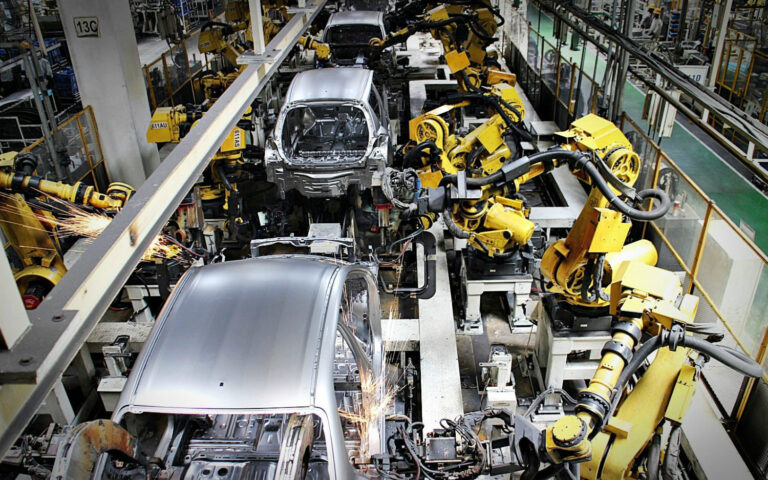
Artificial intelligence is revolutionizing how vehicles are designed, manufactured, and tested. AI is being used to optimize manufacturing processes, improve product quality, and reduce costs. AI-powered robots are taking over repetitive tasks on the production line, enhancing efficiency and reducing human error.
- Predictive Maintenance: AI and machine learning are being employed to predict when a vehicle or its components might fail, allowing for preventive maintenance. This approach helps reduce downtime and improves the longevity of vehicles.
- Supply Chain Optimization: AI is also playing a role in optimizing supply chains. By analyzing data from suppliers, manufacturers can make informed decisions about inventory management, reducing costs and improving production schedules.
The Rise of Mobility-as-a-Service (MaaS)
The concept of Mobility-as-a-Service (MaaS) is reshaping how people approach transportation. MaaS integrates various modes of transportation, such as ride-hailing, public transit, and car-sharing, into a single service that can be accessed through a smartphone app.
- Shared Mobility: Shared mobility services are gaining popularity, especially in urban areas. Consumers are opting for car-sharing or ride-hailing services over traditional vehicle ownership, driven by factors like convenience, cost, and environmental impact.
- Urban Mobility Solutions: MaaS platforms provide a holistic solution to urban mobility, helping reduce traffic congestion, lower emissions, and provide more sustainable transportation options.
Conclusion: The Road Ahead for the Automotive Industry
The automotive industry is at a crossroads, with advancements in electric vehicles, autonomous driving, and connected technology paving the way for a more sustainable, efficient, and safer future. The industry’s shift towards green initiatives and innovative manufacturing practices demonstrates its commitment to addressing global environmental challenges. However, challenges remain, particularly in the areas of safety, cybersecurity, and regulatory frameworks for emerging technologies.
As the industry continues to evolve, automakers, consumers, and policymakers must collaborate to ensure that the future of mobility is sustainable, secure, and accessible to all.
Frequently Asked Questions
What is the main advantage of electric vehicles over traditional cars?
Electric vehicles are environmentally friendly, emitting no tailpipe emissions, and they are more energy-efficient than traditional gasoline-powered cars. They help reduce air pollution and dependence on fossil fuels.
Are autonomous vehicles safe to drive?
While autonomous vehicles have the potential to reduce human error and accidents, they are still in development. Safety concerns, such as the reliability of the technology and regulatory standards, must be addressed before they become widespread.
What is the future of hydrogen fuel cell vehicles?
Hydrogen fuel cell vehicles offer long ranges and quick refueling times, making them a viable option for commercial vehicles and heavy-duty trucks. However, infrastructure challenges and the cost of fuel cells remain significant hurdles to widespread adoption.
How does connected car technology improve the driving experience?
Connected car technology enhances the driving experience by providing real-time data for navigation, entertainment, and safety features. It allows vehicles to communicate with each other and with traffic infrastructure, improving traffic flow and reducing accidents.
What is Mobility-as-a-Service (MaaS)?
Mobility-as-a-Service integrates various modes of transportation, such as public transit, ride-hailing, and car-sharing, into a single platform that users can access via a smartphone app. It aims to provide a seamless and sustainable transportation experience.