

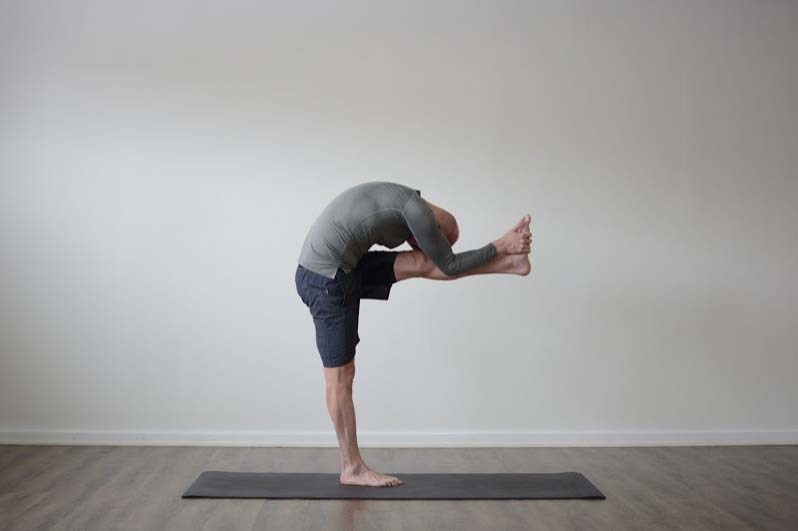
The intensity of bikram yoga often sparks curiosity among newcomers and concern among older adults. Practised in a heated room that reaches around 40°C, this form of yoga blends traditional postures with an added thermal challenge. While it is known for boosting flexibility, cardiovascular endurance, and mental toughness, the heated environment can feel intimidating, particularly for beginners and seniors. The good news is that Bikram yoga can be made safe and accessible with the right modifications, preparation, and mindset.
Why Heat Can Be Both a Challenge and a Benefit
The high temperature is not simply a way to make participants sweat. It serves physiological purposes such as improving blood flow, enhancing muscle elasticity, and supporting detoxification through perspiration. However, for those new to the practice or for seniors, the heat can also feel overwhelming. Recognising this dual nature of heat is important. It can be a catalyst for growth if respected, but it can become a barrier if approached carelessly.
The key is to ease into the practice, listen to the body, and respect its limits. With consistency and guidance, both young beginners and older adults can benefit from the therapeutic aspects of Bikram yoga.
Adapting Bikram Yoga for Beginners
Beginners often find their first session intense, not because of the poses alone but because of the heat. The body is not yet accustomed to prolonged exposure at high temperatures, and the mind may resist the unfamiliar environment. Safe adaptations can help ease the transition.
Tips for first-time practitioners:
-
Start slow: Commit to staying in the room for the entire class, even if taking breaks in a resting position.
-
Hydrate in advance: Drink water before class, as waiting until the session begins can be too late.
-
Focus on form over depth: Correct alignment is more important than achieving the fullest version of the posture.
-
Embrace rest: Resting in child’s pose or savasana when needed allows the body to recover without guilt.
These small steps ensure that beginners build confidence without feeling defeated by the intensity of the practice.
Making Bikram Yoga Accessible for Seniors
Seniors may have different concerns, ranging from joint mobility to cardiovascular stability. For older adults, Bikram yoga offers unique benefits such as improved balance, joint lubrication, and mental clarity. Yet safety must be prioritised.
Adjustments for seniors:
-
Use gentle modifications: Reduced depth in backbends or supported variations can prevent strain on the spine.
-
Prioritise balance: Standing postures can be done near a wall or support if needed.
-
Monitor heart rate: The heated environment can raise cardiovascular demand, so pacing is crucial.
-
Shorter sessions initially: Seniors may begin with shortened classes or leave the room for a short break if necessary.
Over time, these adjustments allow older practitioners to enjoy the benefits of Bikram yoga without overexertion.
Understanding Hydration and Nutrition Needs
Sweat loss is a natural part of Bikram yoga, but dehydration is a real risk if hydration is not managed well. For both beginners and seniors, proper fluid and nutrient balance is crucial. Hydrating with plain water before and after class is the baseline, but including electrolyte-rich foods or drinks can further support recovery. Options like coconut water, bananas, and mineral-rich vegetables help restore the body’s balance after heavy sweating.
Eating a light, balanced meal two to three hours before class provides energy without causing discomfort. Overeating can lead to sluggishness, while under-eating may cause fatigue.
Mental Preparation and Emotional Benefits
Stepping into a heated studio for the first time can be daunting. Seniors may worry about endurance, while beginners often question whether they will last the entire session. A strong mental approach is essential. Practitioners should view the class as training not just for the body but also for resilience and patience. Each posture, even if not performed perfectly, is an opportunity to grow. Over time, both groups discover greater emotional stability, confidence, and self-discipline.
Importance of Breath Control
Breath is central to Bikram yoga. Controlled, deep breathing cools the nervous system and sustains endurance, even in the heat. Beginners may find themselves holding their breath out of strain, while seniors may unconsciously shorten their breath due to physical limitations. Focusing on calm and steady breathing helps regulate heart rate, reduces anxiety, and improves oxygen delivery to the muscles. This practice not only enhances yoga performance but also supports overall wellbeing.
Common Misconceptions about Bikram Yoga for Different Ages
-
Myth 1: Seniors should avoid hot yoga entirely.
In reality, seniors can safely practise with proper guidance and modifications. The key lies in respecting limitations. -
Myth 2: Beginners must complete every pose perfectly.
Perfection is not the goal. Even partial participation brings benefits. -
Myth 3: Sweating heavily means you are overexerting.
Sweating is a natural cooling process, not necessarily a sign of danger. Staying mindful is what matters. -
Myth 4: Heat is unsafe for anyone new.
The body adapts with exposure. Many beginners gradually build tolerance over time.
Practical Tips for Safe Practice Across Ages
-
Arrive early to acclimatise to the heat before class begins
-
Wear lightweight, breathable clothing to support heat management
-
Listen to your body and do not push through pain
-
Build consistency with smaller commitments rather than rushing progress
-
Speak to the instructor about limitations so they can provide guidance
The Role of Community in Encouragement
Bikram yoga is often seen as an individual journey, but community support can make a significant difference. Practising alongside others of different ages fosters encouragement and reduces feelings of isolation. Seniors benefit from seeing younger people embrace patience, while beginners find inspiration from older adults who continue to challenge themselves. This cross-generational environment creates motivation for everyone involved.
The Singapore Context
Singapore’s ageing population and growing interest in holistic wellness make Bikram yoga increasingly relevant. The practice offers an outlet for younger people seeking physical fitness and older adults looking for longevity and mental clarity. Studios that provide safe and structured guidance ensure accessibility across age groups. Facilities like Yoga Edition highlight how yoga can adapt to every stage of life, offering an inclusive path to wellness.
FAQs about Bikram Yoga for Seniors and Beginners
Is Bikram yoga safe for people with joint pain?
Yes, with modifications. The heat can actually help loosen joints, but poses should be adapted to avoid strain. Consulting with a doctor beforehand is advisable.
Can beginners do Bikram yoga without prior yoga experience?
Absolutely. The sequence is fixed and predictable, making it easier for newcomers to follow over time. Patience is key in the first few classes.
Do seniors need medical clearance before attending classes?
It is recommended, especially for those with pre-existing conditions. A brief consultation ensures safety and builds confidence before starting.
What should I do if I feel dizzy during class?
Take a break in a seated or lying position and focus on breathing. Leaving the room briefly is acceptable if the discomfort does not subside.
How often should beginners and seniors practise Bikram yoga?
Two to three times a week is sufficient to build tolerance and reap benefits without overwhelming the body.



Comments are closed.