
Author

Enoch Mitchell

Browsing

The world of finance is vast and ever-changing, offering countless opportunities to build wealth and secure financial freedom. From understanding the basics of personal finance to diving into the complexities of investment strategies, finance plays a pivotal role in shaping our economic landscape. In this article, we’ll explore the key concepts, strategies, and tools that can help individuals and businesses manage their money effectively, make informed decisions, and achieve long-term financial stability.

Understanding the Core Principles of Finance

Finance encompasses a broad spectrum of activities, from budgeting and saving to investing and managing debt. The primary goal of financial management is to maximize value and minimize risk. Here are the fundamental principles that guide the world of finance:

Time Value of Money

One of the cornerstones of finance is the concept of the time value of money (TVM), which suggests that a dollar today is worth more than a dollar in the future. This principle emphasizes the importance of earning interest or returns on investments, as well as understanding inflation’s effect on purchasing power.

TVM can be broken down into two key components:

  • Present Value (PV): The current worth of a sum of money that will be received in the future, discounted by the expected rate of return.
  • Future Value (FV): The value of a sum of money at a specific point in the future, calculated by applying an interest rate to the current amount.

Risk and Return

Risk and return are directly linked in the financial world. Every investment carries some level of risk, and the potential return on that investment generally increases with the level of risk. Understanding the relationship between risk and return is essential when constructing a diversified investment portfolio. Higher-risk investments, such as stocks, typically offer higher potential returns, while lower-risk investments, like bonds, provide more stable, though often lower, returns.

Diversification

Diversification is a key strategy in reducing investment risk. By spreading investments across different asset classes (stocks, bonds, real estate, etc.), an investor can mitigate the impact of a poor-performing investment on the overall portfolio. A well-diversified portfolio reduces the risk of significant losses and enhances the potential for steady, long-term growth.

Liquidity

Liquidity refers to how quickly and easily an asset can be converted into cash without significantly affecting its price. Cash is considered the most liquid asset, while real estate or collectibles are considered less liquid. Understanding liquidity is crucial for ensuring that you have the necessary funds to meet short-term financial obligations while also planning for long-term growth.

Personal Finance: Mastering the Basics

Personal finance is about managing your money to meet your life goals and needs. It involves a series of decisions regarding income, saving, budgeting, investing, and managing debt. Mastering these basics can have a significant impact on your financial future.

Budgeting

A well-thought-out budget is essential for anyone looking to achieve financial stability. It allows you to allocate your income toward necessary expenses, savings, and debt repayment. An effective budget:

  • Tracks income and expenditures.
  • Helps prioritize spending based on goals.
  • Prevents overspending and encourages saving.
  • Enables long-term planning for big expenses (like buying a home or retirement).

Some popular budgeting methods include:

  • The 50/30/20 Rule: Allocates 50% of income to needs, 30% to wants, and 20% to savings and debt repayment.
  • Zero-Based Budgeting: Every dollar is assigned a job, including savings and debt payments, ensuring that no money is left unaccounted for.

Saving and Emergency Funds

Saving is a vital component of personal finance. Without adequate savings, you may struggle to meet financial emergencies, such as medical bills or home repairs. An emergency fund is a must-have financial safety net, typically recommended to cover three to six months’ worth of living expenses.

In addition to emergency savings, setting aside money for short- and long-term goals—such as a vacation or retirement—is equally important. High-yield savings accounts, certificates of deposit (CDs), or money market accounts are excellent places to store your savings, offering both safety and interest.

Debt Management

Managing debt wisely is crucial for long-term financial health. High-interest debt, like credit card balances, can quickly spiral out of control and derail your financial goals. A few strategies for managing debt include:

  • Debt Snowball Method: Focus on paying off the smallest debt first while making minimum payments on others. Once the smallest debt is paid off, move on to the next largest.
  • Debt Avalanche Method: Focus on paying off high-interest debt first, minimizing the total amount paid over time.

In addition to these methods, consolidating loans or refinancing high-interest debt can help reduce monthly payments and the total interest paid.

Investment Strategies: Growing Your Wealth

Investing is one of the most effective ways to build wealth over time. It involves allocating your money into various assets to generate returns. However, it’s essential to choose the right investment strategy based on your financial goals, risk tolerance, and time horizon.

Stocks and Bonds

  • Stocks: Equities represent ownership in a company. Investing in stocks allows you to potentially earn dividends and capital gains as the company grows. However, stock prices can be volatile, making them riskier than bonds.
  • Bonds: Bonds are essentially loans made to companies or governments. Investors earn interest over time and are paid back the principal when the bond matures. Bonds tend to be safer than stocks but provide lower returns.

Mutual Funds and ETFs

For those seeking diversification without managing individual stocks, mutual funds and exchange-traded funds (ETFs) are excellent choices. Both are pooled investment vehicles, allowing investors to buy shares in a fund that holds a variety of assets.

  • Mutual Funds: Actively managed and often involve higher fees but can outperform the market with expert management.
  • ETFs: Passively managed and typically have lower fees but aim to replicate the performance of a specific index, like the S&P 500.

Real Estate

Real estate investing involves purchasing properties to generate rental income or capital appreciation. It can be a lucrative form of passive income but requires significant capital, market knowledge, and ongoing management. Some opt for Real Estate Investment Trusts (REITs) to invest in real estate without the hassles of direct property ownership.

Alternative Investments

Alternative investments—such as commodities, cryptocurrencies, and private equity—offer diversification beyond traditional stocks and bonds. These types of investments are typically riskier and less liquid, but they can yield high returns if managed properly.

Financial Planning for the Future

Creating a comprehensive financial plan is vital for long-term financial success. A solid plan accounts for various aspects of your financial life, from current savings to future retirement goals. Key components of financial planning include:

  • Retirement Planning: Contributing to retirement accounts, such as 401(k)s or IRAs, and planning for the future by estimating how much money you will need to maintain your desired lifestyle in retirement.
  • Insurance Planning: Protecting yourself and your family from unexpected events like illness, injury, or death. Insurance types include life, health, disability, and long-term care.
  • Tax Planning: Understanding the impact of taxes on your investments and income, and using strategies to minimize your tax liability.

Frequently Asked Questions (FAQs)

What is the difference between a stock and a bond?

A stock represents ownership in a company, allowing the investor to benefit from the company’s profits and growth. A bond, on the other hand, is a loan made to a company or government, and the investor earns interest over time. Stocks generally offer higher returns but come with higher risk, while bonds are typically safer but yield lower returns.

How can I start investing with a small amount of money?

You can start investing with a small amount of money by using platforms that allow fractional share investing, which enables you to buy portions of high-priced stocks. Additionally, investing in ETFs or mutual funds can help diversify your portfolio even with a modest investment.

What is the best way to manage debt?

The best way to manage debt depends on your personal financial situation. The debt snowball method works well for those looking to build momentum, while the debt avalanche method minimizes interest payments. Consolidating or refinancing debt can also help reduce interest costs and simplify payments.

What are the most common types of investment accounts?

Common types of investment accounts include individual brokerage accounts, retirement accounts (like 401(k)s and IRAs), and tax-advantaged accounts like Health Savings Accounts (HSAs) or 529 College Savings Plans.

By following these principles and strategies, anyone can navigate the complexities of finance and build a foundation for financial success. Whether you are just starting out or looking to refine your financial strategy, understanding the core concepts of personal finance and investment will set you on the path to wealth and financial security.

Education is one of the most powerful tools for creating a better future. It has the potential to reshape societies, transform lives, and drive both personal and collective progress. Education not only equips individuals with the knowledge they need to thrive in an ever-changing world but also fosters critical thinking, creativity, and problem-solving abilities. In this article, we will explore the profound impact of education, its challenges, and the emerging trends that are revolutionizing learning in the 21st century.

The Evolving Landscape of Education

From Traditional Classrooms to Digital Learning Platforms

The educational landscape has witnessed tremendous transformation over the past few decades. Traditional classrooms, which were once the cornerstone of learning, have been supplemented and sometimes replaced by digital learning platforms. The COVID-19 pandemic accelerated the shift to online education, highlighting the need for flexible, accessible, and innovative learning methods.

  • Online Learning Growth: With the proliferation of the internet and digital tools, online learning platforms have become more popular. Websites and apps offer courses on a wide range of topics, from K-12 subjects to university-level courses and professional certifications. These platforms provide students with the flexibility to learn at their own pace, from anywhere in the world.
  • Hybrid Learning Models: The future of education seems to lie in a hybrid model that combines both traditional and digital learning. Hybrid learning allows for face-to-face interaction alongside virtual classes, giving students the best of both worlds. It also enables educators to reach a broader audience, overcoming geographical and logistical barriers.
  • Learning Management Systems (LMS): With the rise of e-learning, Learning Management Systems (LMS) have gained prominence. These systems enable teachers to organize lessons, assessments, and student progress in one centralized platform. LMS platforms enhance engagement through interactive content and provide real-time feedback.

The Rise of Personalized Education

Personalized education focuses on tailoring learning experiences to the individual needs, interests, and learning styles of students. Unlike traditional one-size-fits-all teaching methods, personalized learning aims to empower students to learn at their own pace, ensuring better engagement and retention.

  • Adapting to Student Needs: Personalized learning uses data and analytics to understand how students learn best. With adaptive learning technologies, such as artificial intelligence (AI) and machine learning, educational tools can provide customized pathways, content, and support.
  • Student-Centered Learning: The shift towards personalized education also reflects a broader movement towards student-centered learning. In this model, students take an active role in their education, setting goals, tracking progress, and receiving personalized support from educators.
  • Benefits of Personalization: Studies show that personalized learning can improve student outcomes by addressing specific weaknesses and enhancing strengths. It promotes intrinsic motivation, as students are more likely to stay engaged when they see the relevance of their studies to their personal interests.

The Global Impact of Education

Education as a Catalyst for Social and Economic Change

Education has long been regarded as the key to social mobility and economic development. By providing individuals with the skills and knowledge needed to succeed, education enables them to break the cycle of poverty, contribute to their communities, and drive economic growth.

  • Reducing Inequality: Access to quality education can help level the playing field, offering individuals from all backgrounds the opportunity to succeed. In many parts of the world, education is seen as a means to address deep-seated inequalities in society. When individuals are educated, they are more likely to find good employment, which in turn boosts the economy.
  • Empowering Women and Marginalized Groups: Education is particularly transformative for women and marginalized groups. Studies show that educating women can have far-reaching effects, not only improving their economic prospects but also benefiting their families and communities. Educated women are more likely to raise healthier children, participate in the workforce, and contribute to national economic growth.
  • Economic Growth and Innovation: Countries with higher levels of educational attainment tend to have more dynamic economies. A well-educated workforce is essential for fostering innovation, boosting productivity, and attracting foreign investment. Education helps create a knowledge-driven economy that can adapt to new challenges and thrive in a globalized world.

Education and Global Citizenship

Education plays a crucial role in fostering global citizenship, which emphasizes understanding, empathy, and cooperation across borders. In an increasingly interconnected world, the need for global education has never been more pressing.

  • Cultural Awareness and Understanding: Education encourages students to learn about different cultures, traditions, and worldviews. This understanding fosters tolerance and respect, essential for peaceful coexistence in a diverse world. Global education programs, such as exchange programs and international curricula, help broaden students’ perspectives and prepare them for a global workforce.
  • Addressing Global Challenges: As the world faces challenges such as climate change, poverty, and social injustice, education is key to finding solutions. By teaching students about sustainability, social responsibility, and global challenges, we equip them with the knowledge and skills needed to contribute to solving these problems.
  • Promoting Peace and Conflict Resolution: Education can be a powerful tool for peacebuilding, as it promotes dialogue, understanding, and cooperation. Through education, students can learn the value of diplomacy, conflict resolution, and peaceful negotiation, contributing to the prevention of future conflicts.

The Challenges Facing Education Today

Access to Education

One of the greatest challenges facing education globally is access. While progress has been made, millions of children and adults still lack access to quality education, particularly in low-income countries and rural areas.

  • Disparities in Access: Disparities in access to education are often linked to factors such as income, location, and gender. In many parts of the world, girls, children with disabilities, and those in conflict zones face significant barriers to education.
  • The Digital Divide: As education becomes more reliant on technology, the digital divide poses a serious obstacle. In many developing countries, students lack the necessary devices and internet connectivity to participate in online learning. This divide exacerbates inequalities and hinders the ability to provide equitable education.

Quality of Education

Access to education is only part of the equation; the quality of education also plays a crucial role. While some countries and regions have made significant strides in improving education standards, others still face challenges in providing high-quality education to their populations.

  • Teacher Training and Support: One of the most important factors in ensuring quality education is the effectiveness of teachers. Adequate teacher training, ongoing professional development, and fair compensation are essential for improving education outcomes. In many parts of the world, however, teachers often lack the resources and support they need to succeed in the classroom.
  • Curriculum Relevance: In an ever-changing world, the curriculum must be adapted to meet the demands of the future. The rapid pace of technological advancements and the evolving job market require students to develop skills that go beyond traditional subjects. Incorporating skills such as critical thinking, creativity, and digital literacy into the curriculum is essential to preparing students for the future.

Financial Constraints

Education, particularly at the tertiary level, can be expensive. Financial constraints prevent many students from accessing higher education, limiting opportunities for upward mobility and personal development.

  • Student Debt: In countries like the United States, the rising cost of higher education has led to increasing student debt. Many students graduate with substantial debt, which can take years, or even decades, to repay. This financial burden limits their ability to contribute to the economy and enjoy financial independence.
  • Government Investment: Governments play a vital role in funding education. However, many countries face budgetary constraints that hinder their ability to invest adequately in their education systems. This results in overcrowded classrooms, outdated materials, and inadequate infrastructure.

The Future of Education: Emerging Trends and Innovations

Artificial Intelligence and Machine Learning in Education

Artificial intelligence (AI) and machine learning are transforming the education sector by providing personalized learning experiences, automating administrative tasks, and helping educators make data-driven decisions.

  • AI in Learning: AI-powered tools can analyze student data to identify learning gaps and provide personalized content. These tools can adapt to each student’s learning pace and style, ensuring a tailored educational experience.
  • Automation in Administration: AI can also streamline administrative processes, such as grading, attendance tracking, and scheduling, freeing up time for educators to focus on teaching. This automation helps improve efficiency and reduces the administrative burden on schools and universities.
  • Data-Driven Insights: With the help of AI, educators can gain valuable insights into student performance, allowing them to identify areas of improvement and intervene early to address learning difficulties.

Virtual and Augmented Reality in Education

Virtual and augmented reality (VR and AR) are revolutionizing how students learn by providing immersive, hands-on experiences.

  • Simulations and Virtual Labs: VR and AR allow students to conduct virtual experiments, participate in simulations, and explore complex concepts in ways that traditional classrooms cannot offer. This technology makes learning more interactive and engaging.
  • Field Trips and Cultural Exploration: VR can take students on virtual field trips to historical sites, museums, and natural wonders, offering experiences that would be difficult or impossible to replicate in the real world.
  • Enhanced Collaboration: AR and VR enable students to collaborate in virtual environments, interacting with peers and instructors from around the globe. This fosters a sense of global community and provides new opportunities for group learning.

Lifelong Learning and Continuous Education

In today’s fast-paced world, the concept of lifelong learning has gained prominence. As industries evolve and new technologies emerge, individuals must continually update their skills to remain competitive in the job market.

  • Upskilling and Reskilling: With automation and AI changing the nature of work, there is a growing demand for upskilling and reskilling programs. Online courses, boot camps, and certifications provide flexible learning opportunities for professionals to acquire new skills and advance their careers.
  • Microlearning: Microlearning involves short, focused lessons that can be consumed in small chunks. This method allows individuals to learn at their own pace, making it easier to fit learning into their busy lives.
  • Corporate Training Programs: Many companies are investing in continuous education for their employees, offering training programs that help them stay current with industry trends and acquire new competencies.

Conclusion

Education is the cornerstone of personal and societal development. It empowers individuals, fosters innovation, and contributes to economic growth. While there are significant challenges in ensuring access to quality education worldwide, the future of education looks promising. Innovations in technology, such as AI, VR, and personalized learning, are transforming the way we learn and making education more accessible and relevant to the needs of the modern world.

As we continue to adapt to the demands of a rapidly changing society, education will remain the key to unlocking the potential of individuals and communities alike.

Frequently Asked Questions

How does education contribute to social mobility?

Education provides individuals with the skills and knowledge necessary to improve their socioeconomic status. By offering equal opportunities for learning, education helps reduce inequality and promotes upward mobility.

What are the challenges in providing quality education worldwide?

Challenges include lack of access to education, financial constraints, inadequate infrastructure, and insufficient teacher training. Ensuring quality education requires addressing these barriers and investing in both resources and innovation.

How is AI changing the education sector?

AI is revolutionizing education by providing personalized learning experiences, automating administrative tasks, and helping educators make data-driven decisions. It tailors education to individual student needs, improving outcomes.

What is the role of virtual and augmented reality in education?

VR and AR provide immersive learning experiences, allowing students to participate in simulations, explore virtual environments, and engage with complex concepts in interactive ways. These technologies enhance understanding and engagement.

Why is lifelong learning important?

Lifelong learning is essential in today’s rapidly changing job market. It enables individuals to adapt to new technologies, acquire new skills, and remain competitive in their careers. Continuous learning is crucial for personal growth and professional development.

The automotive industry has experienced significant transformations over the last century, marked by groundbreaking innovations, evolving consumer preferences, and the ever-expanding role of technology. With the rise of electric vehicles (EVs), autonomous driving technologies, and smart manufacturing, the auto sector is poised for another revolution. This article delves deep into these advancements, providing a comprehensive look at the factors shaping the future of automobiles and the role of manufacturers, governments, and consumers in this rapidly changing landscape.

The Role of Technology in Shaping the Auto Industry

The Rise of Electric Vehicles (EVs)

Electric vehicles are no longer a futuristic concept but a growing reality. The transition from internal combustion engines (ICE) to electric powertrains is one of the most significant shifts in the automotive industry. With environmental concerns at the forefront, automakers are focusing on reducing carbon footprints, and electric vehicles are central to these efforts.

  • Increased Adoption of EVs: Sales of electric vehicles have surged in recent years. This increase is primarily driven by advancements in battery technology, longer ranges, and the growing availability of charging infrastructure.
  • Environmental Impact: EVs offer a cleaner alternative to traditional gasoline-powered vehicles, emitting zero tailpipe emissions. As governments implement stricter emissions standards, EVs present an eco-friendly solution to meet these regulations.
  • Innovation in Battery Technology: Advancements in battery technology, such as lithium-ion and solid-state batteries, are driving down costs and improving the efficiency and range of EVs. Major players in the automotive industry, such as Tesla, Rivian, and traditional manufacturers like Ford and General Motors, are making substantial investments in battery research and manufacturing capabilities.

Autonomous Driving: The Future of Mobility

Autonomous driving technology is another significant trend reshaping the automotive industry. Self-driving vehicles, powered by artificial intelligence (AI), machine learning, and a myriad of sensors, are expected to revolutionize transportation. However, despite significant progress, several challenges remain before autonomous vehicles can become mainstream.

  • AI and Machine Learning Integration: AI and machine learning are integral to the development of autonomous vehicles. By processing vast amounts of data from sensors, cameras, and LIDAR systems, AI allows cars to understand and navigate their environment in real-time.
  • Safety Concerns: One of the primary benefits of autonomous driving is the potential to reduce human error, which is responsible for a significant number of road accidents. However, ensuring the safety and reliability of autonomous systems remains a challenge, with ongoing debates around regulation and testing.
  • Legal and Ethical Implications: The widespread adoption of autonomous vehicles raises important legal and ethical questions. Issues such as liability in the event of accidents, data privacy, and the ethical programming of decision-making algorithms are topics that need to be addressed.

Sustainability and Green Initiatives in the Auto Sector

As the world grapples with climate change and its environmental impact, sustainability has become a critical focus for the automotive industry. Manufacturers are increasingly prioritizing green initiatives to align with global goals for carbon neutrality.

  • Sustainable Manufacturing Practices: Automotive companies are adopting green manufacturing techniques, such as using recyclable materials, reducing energy consumption in factories, and minimizing waste. The aim is to reduce the environmental impact of vehicle production while maintaining quality and affordability.
  • Hydrogen Fuel Cells: While EVs are leading the charge in sustainable transportation, hydrogen fuel cell technology also holds promise. Unlike batteries, hydrogen fuel cells convert hydrogen gas into electricity, emitting only water vapor as a byproduct. This technology is particularly promising for heavy-duty vehicles, such as trucks and buses, which require long ranges and quick refueling times.
  • Circular Economy: Manufacturers are beginning to embrace the concept of a circular economy, where vehicle components and materials are reused, refurbished, and recycled to minimize waste. This approach reduces the environmental footprint of manufacturing and helps conserve valuable resources.

The Role of Connected Cars and Smart Technology

The Internet of Things (IoT) and Vehicle Connectivity

As vehicles become more connected, they are evolving into smart devices on wheels. The integration of the Internet of Things (IoT) with vehicles allows them to communicate with other devices, infrastructure, and even other vehicles. This connectivity enhances the driving experience, improves safety, and enables new features such as over-the-air software updates.

  • Smart Infotainment Systems: Modern vehicles are equipped with advanced infotainment systems that offer navigation, entertainment, and connectivity features. These systems can be synced with smartphones, providing seamless integration for drivers and passengers.
  • Vehicle-to-Everything (V2X) Communication: V2X communication enables vehicles to interact with traffic signals, other cars, and even pedestrians, improving traffic flow and reducing the likelihood of accidents. This technology is essential for the development of autonomous vehicles, where real-time data exchange is crucial for safe navigation.
  • Telematics and Data Collection: Telematics systems are increasingly used by manufacturers to gather real-time data from vehicles. This data provides insights into driver behavior, vehicle performance, and maintenance needs, allowing for proactive service and improved vehicle design.

Cybersecurity in the Age of Connected Vehicles

With the increasing connectivity of vehicles, cybersecurity has become a critical concern. Connected cars are vulnerable to hacking, which could lead to privacy violations, theft of data, or even dangerous driving conditions.

  • Data Privacy: The collection and storage of sensitive data, such as location, driving habits, and personal preferences, raises concerns about privacy. Manufacturers must implement robust security measures to protect consumers’ personal information from unauthorized access.
  • Over-the-Air Software Updates: While over-the-air updates are a convenient way to enhance vehicle functionality and fix bugs, they also pose security risks. Automakers need to ensure that their update processes are secure to prevent cyberattacks that could compromise vehicle safety.
  • Regulations and Standards: Governments and industry groups are working on establishing standards and regulations to address cybersecurity concerns in the automotive industry. These guidelines aim to ensure that manufacturers follow best practices in securing connected vehicles.

The Future of the Auto Industry: Emerging Trends and Challenges

Artificial Intelligence and Machine Learning in Manufacturing

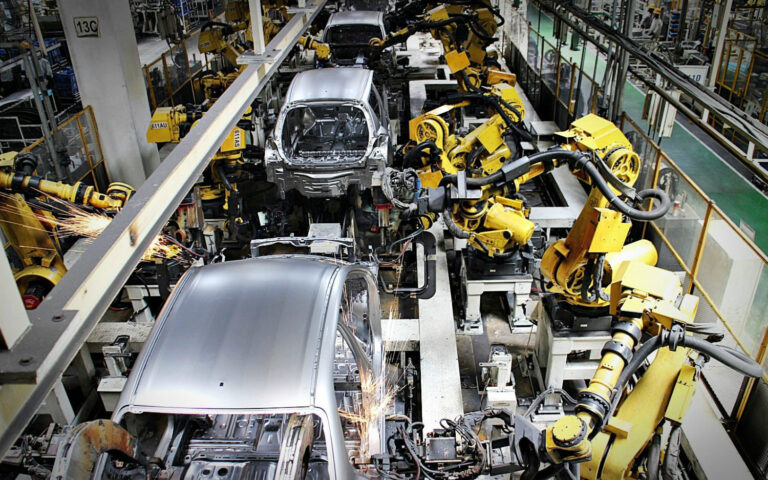
Artificial intelligence is revolutionizing how vehicles are designed, manufactured, and tested. AI is being used to optimize manufacturing processes, improve product quality, and reduce costs. AI-powered robots are taking over repetitive tasks on the production line, enhancing efficiency and reducing human error.

  • Predictive Maintenance: AI and machine learning are being employed to predict when a vehicle or its components might fail, allowing for preventive maintenance. This approach helps reduce downtime and improves the longevity of vehicles.
  • Supply Chain Optimization: AI is also playing a role in optimizing supply chains. By analyzing data from suppliers, manufacturers can make informed decisions about inventory management, reducing costs and improving production schedules.

The Rise of Mobility-as-a-Service (MaaS)

The concept of Mobility-as-a-Service (MaaS) is reshaping how people approach transportation. MaaS integrates various modes of transportation, such as ride-hailing, public transit, and car-sharing, into a single service that can be accessed through a smartphone app.

  • Shared Mobility: Shared mobility services are gaining popularity, especially in urban areas. Consumers are opting for car-sharing or ride-hailing services over traditional vehicle ownership, driven by factors like convenience, cost, and environmental impact.
  • Urban Mobility Solutions: MaaS platforms provide a holistic solution to urban mobility, helping reduce traffic congestion, lower emissions, and provide more sustainable transportation options.

Conclusion: The Road Ahead for the Automotive Industry

The automotive industry is at a crossroads, with advancements in electric vehicles, autonomous driving, and connected technology paving the way for a more sustainable, efficient, and safer future. The industry’s shift towards green initiatives and innovative manufacturing practices demonstrates its commitment to addressing global environmental challenges. However, challenges remain, particularly in the areas of safety, cybersecurity, and regulatory frameworks for emerging technologies.

As the industry continues to evolve, automakers, consumers, and policymakers must collaborate to ensure that the future of mobility is sustainable, secure, and accessible to all.

Frequently Asked Questions

What is the main advantage of electric vehicles over traditional cars?

Electric vehicles are environmentally friendly, emitting no tailpipe emissions, and they are more energy-efficient than traditional gasoline-powered cars. They help reduce air pollution and dependence on fossil fuels.

Are autonomous vehicles safe to drive?

While autonomous vehicles have the potential to reduce human error and accidents, they are still in development. Safety concerns, such as the reliability of the technology and regulatory standards, must be addressed before they become widespread.

What is the future of hydrogen fuel cell vehicles?

Hydrogen fuel cell vehicles offer long ranges and quick refueling times, making them a viable option for commercial vehicles and heavy-duty trucks. However, infrastructure challenges and the cost of fuel cells remain significant hurdles to widespread adoption.

How does connected car technology improve the driving experience?

Connected car technology enhances the driving experience by providing real-time data for navigation, entertainment, and safety features. It allows vehicles to communicate with each other and with traffic infrastructure, improving traffic flow and reducing accidents.

What is Mobility-as-a-Service (MaaS)?

Mobility-as-a-Service integrates various modes of transportation, such as public transit, ride-hailing, and car-sharing, into a single platform that users can access via a smartphone app. It aims to provide a seamless and sustainable transportation experience.

Are you an avid player of rummy who is ready to step up your game? In that case, it’s likely that you’ve heard about the online rummy APK and have some questions. In this article, we’re going to answer the top 10 questions about downloading and using the online rummy APK.

10 Online Rummy APK Downloading Questions

What is an Online Rummy APK?

In simple terms, it is a mobile rummy app. By using an online rummy APK, you can play rummy on your phone. You can download it and begin playing the game on your Android device. This lets you play your favourite card game anytime and wherever you want using your smartphone.

Is it safe to Download an Online Rummy APK?

Of course! As long as you download from a trusted source, it is completely secure. Just avoid using any links or websites belonging to third parties and download the official rummy app from its official page exclusively.

How Do I Download and Install the Rummy APK?

It’s quite easy! To begin playing, simply visit the official rummy app website, seek the download link, and click it. Your device might ask you to enable the “Unknown Sources” in your settings before installing the APK. The app will then begin to download and install on your phone.

What if My Phone Asks to Enable “Install from Unknown Sources?

Don’t worry, this is a standard security feature on Android devices. It simply means your phone wants to make sure you’re installing an app from a trusted source, not just any random website. Just follow the on-screen instructions to enable this setting, and you’ll be good to go.

Will I Have Access to All Rummy Variants on the APK?

Of course! All of the popular variants, such as Deal Rummy, Pool Rummy, Points Rummy, and Classic Indian Rummy, are available in the online rummy APK. so that you may play the whole game of rummy on your phone.

Can I Play Rummy for Real Money on the APK?

Yes, of course you can! You can play online rummy APK to win rewards and prizes with real money. Just make sure the platform you use for your transactions is trustworthy, secure, and legally compliant.

How Do I Deposit and Withdraw Funds on the Rummy APK?

It’s quite easy! Simply link your bank account or preferred digital payment method to your rummy app account. This will allow you to quickly deposit money and take profits out

Is the Rummy APK Beginner-Friendly?

Of course! Rummy apps are designed with both inexperienced and expert players in mind. Thorough tutorials, practice modes, and a supportive community will help you quickly grasp the fundamentals and become an expert rummy player.

Can I Play Rummy with Friends on the APK?

With most rummy apps, you can create private tables and invite your friends to play along. Whether you live nearby or far away, bonding over a light game of rummy is a great idea.

Conclusion

So there you have it, all your questions about the online rummy APK answered! Now that you’re equipped with this knowledge, what are you waiting for? Go on and download your rummy app today! Who knows, you might just become the next rummy champion.

In an era where skincare garners as much attention as fashion, even for the youngest among us, Amber Olson Rourke, co-founder of Neora, emerges as a beacon of wisdom. As the “Sephora kids” phenomenon takes hold, indicating a growing market for child-specific skincare products, Olson Rourke’s insights provide invaluable guidance for parents navigating this new landscape.

Drawing from Neora’s philosophy of clean, effective skincare, Olson Rourke emphasizes the importance of understanding the unique needs of children’s delicate skin. She advises parents to go beyond cleansing and moisturizing and focus instead on laying the foundation for lifelong healthy habits.

Central to this approach are gentle, safe formulations free from harsh chemicals that could harm young skin. Neora’s product lineup, which includes options suitable for children, exemplifies this commitment to blending efficacy with safety.

Olson Rourke’s advice resonates strongly with the rise of the Sephora kids phenomenon. As this iconic beauty retailer expands its offerings to cater to a younger demographic, parents are increasingly aware of the need for specialized, trustworthy skincare solutions for their little ones.

Neora’s approach, guided by Olson Rourke’s expertise, aligns seamlessly with this trend. By prioritizing plant-based ingredients and removing potential irritants, Neora offers parents the peace of mind they seek when choosing products for their children.

Beyond product selection, Olson Rourke stresses the significance of establishing a consistent skincare routine from an early age. This includes cleansing and moisturizing, as well as the critical step of sun protection. Parents can set their children on a lifetime of healthy, radiant skin by instilling these habits early on.

Olson Rourke’s insights remind us that skin care is about addressing immediate concerns and nurturing and protecting the skin for the long term. This philosophy lies at the heart of Neora’s mission to bring happiness and results to people of all ages.

As the world of beauty and skincare continues to evolve, embracing the youngest among us, Amber Olson Rourke and Neora stand as trusted guides. Their commitment to gentle, effective, and safe skincare solutions resonates with parents who, inspired by the Sephora kids phenomenon, seek the best for their children’s delicate skin.

In an age where skincare knows no age limit, Neora and Amber Olson Rourke offer products and a holistic approach to nurturing healthy, glowing skin from the earliest stages of life. By empowering parents with knowledge and providing trustworthy options, they are reshaping the landscape of children’s skincare, one gentle, nurturing step at a time.

As the Sephora kids phenomenon continues to unfold, Neora remains at the forefront, guided by Amber Olson Rourke’s expertise and unwavering commitment to improving people, starting with the most precious among us—our children.

As sports betting continues to grow in popularity, with platforms like Lotus365 leading the way, it’s crucial to consider the ethical implications of this industry. The Lotus365 sportsbook, like many others, faces several ethical challenges that need to be navigated carefully to ensure fair and responsible betting practices. This blog delves into these considerations and how they are being addressed.

  1. Ensuring Fair Play and Integrity

The integrity of sports events is paramount. There’s a potential risk that betting, especially if unregulated, can lead to match-fixing and other forms of corruption. Platforms like Lotus365 are at the forefront of combating this by promoting fair play. They ensure that bets are placed in a transparent and honest manner, and they often collaborate with sports leagues to detect and prevent any unethical practices.

  1. Responsible Gambling

Another critical ethical consideration in sports betting is responsible gambling. It’s essential to acknowledge that gambling can become addictive. Lotus365, recognizing this, implements measures to promote responsible gambling. This includes setting betting limits, providing resources for gambling addiction, and tools for self-exclusion. Ensuring that bettors have access to support and information to gamble responsibly is a key ethical responsibility for sports betting platforms.

  1. Protecting Minors and Vulnerable Individuals

Protecting minors and vulnerable groups from the risks associated with gambling is another area where ethics come into play. Lotus365, along with other reputable sportsbooks, enforces strict age verification processes and takes measures to prevent underage betting. This commitment to safeguarding vulnerable groups is a crucial aspect of ethical sports betting.

  1. Data Privacy and Security

With the rise of online betting platforms like Lotus365, data privacy and security have become significant ethical concerns. Bettors entrust their personal and financial information to these platforms, and it’s the responsibility of the betting companies to protect this data from breaches and misuse. Ethical sports betting platforms invest in robust cybersecurity measures and adhere to privacy laws to ensure user data is securely handled.

  1. Transparency in Odds and Gaming Practices

Transparency is vital in the world of sports betting. Bettors should have clear information about how odds are set and the terms of their bets. Lotus365 and similar platforms strive to provide clear, comprehensive information about betting conditions, odds, and the mechanisms of their betting offerings. This transparency helps bettors make informed decisions and fosters trust in the platform.

  1. Supporting Economic Sustainability

Ethical sports betting also involves considering the broader economic impact. This includes ensuring that betting activities contribute positively to the economy and do not foster illegal activities. Platforms like Lotus365 contribute to the economy through job creation, taxes, and by operating within the regulatory frameworks of their respective jurisdictions.

Conclusion

In conclusion, the ethical landscape of sports betting is multifaceted and requires diligent attention from platforms like Lotus365. By prioritizing fair play, responsible gambling, the protection of vulnerable groups, data privacy, transparency, and economic sustainability, sports betting can be a safe and enjoyable activity for all involved. As the industry continues to evolve, maintaining these ethical standards will be essential for the continued trust and engagement of bettors.

The holiday season, with its glittering lights and festive cheer, is a time to shine and radiate joy. Neora unveils the magic of self-care, inviting you to embrace holiday radiance that goes beyond the surface. In this enchanting journey, we’ll explore how Neora’s self-care philosophy can unleash the magic within, leaving you with a glow that captures the essence of the holiday spirit. 

A Sparkling Skincare Spell

Neora believes that the key to holiday radiance starts with a sparkling skincare spell. Imagine your skincare routine transforming into a magical ritual, where each product is a potion infused with the power to nourish and rejuvenate. Cleansing becomes a cleansing charm, washing away the stresses of the day. Serums and moisturizers join the enchantment, working their magic to hydrate and illuminate your skin. Neora’s approach to skincare is not just about looking good during the holidays but feeling good, creating a radiant canvas for the festivities. 

Bubbling Elixirs of Joy

As you navigate the joyful chaos of the holiday season, Neora introduces the concept of bubbling elixirs of joy—a magical blend of self-care and celebration. Picture yourself sipping on a cup of antioxidant-rich tea or indulging in a festive smoothie that not only tantalizes your taste buds but also infuses your body with the joyous energy of the season. Neora understands that true radiance comes from within, and these bubbling elixirs become a delightful addition to your holiday enchantment. 

Dance of Relaxation: Wellness Moves with a Twist

In the whirlwind of holiday preparations, Neora suggests incorporating a dance of relaxation—a series of wellness moves with a twist that combines movement and tranquility. Whether it’s a gentle stretch routine, a calming yoga flow, or a brisk winter dance, these moves become a rhythm of self-care that lets you unwind and embrace the magic of the season. Neora believes that the holiday radiance is not just a visual sparkle but an energy that dances through your body and soul. 

Sensory Spells: Creating an Atmosphere of Enchantment

The holiday season bombards our senses with stimuli, and Neora’s self-care magic includes sensory spells to create an atmosphere of enchantment. Imagine surrounding yourself with the soothing aroma of essential oils, indulging in the soft touch of cozy blankets, and basking in the warmth of candlelight. Neora believes that these sensory experiences are not just luxuries but essential components of self-care that contribute to a radiance that captivates both you and those around you. 

Moments of Merry Mindfulness

Amidst the festive frenzy, Neora encourages you to weave moments of merry mindfulness—a pause in the holiday rush to savor the present. Whether it’s indulging in a piece of festive chocolate, taking a moment to appreciate the beauty of holiday decorations, or simply being present with loved ones, these mindful moments become the heart of your holiday radiance. Neora’s self-care magic emphasizes that true enchantment is found in these small, cherished moments. 

Conclusion: Unveiling Neora’s Holiday Radiance

In conclusion, Neora’s self-care magic for holiday radiance is an invitation to unleash the magic within and let your inner light shine. From the sparkling skincare spell to the bubbling elixirs of joy, from the dance of relaxation to the sensory spells creating an atmosphere of enchantment, and finally, the moments of merry mindfulness—Neora crafts a holistic approach to self-care that transforms the holiday season into a magical celebration of well-being.

So, as you navigate the festive landscape, let Neora be your guide to holiday radiance that transcends the surface and radiates from the inside out. May this season be a time of self-discovery, joy, and enchantment, leaving you with a magical glow that lingers long after the last holiday decoration is packed away.

In the world of skincare, the pursuit of youthful, radiant skin is akin to chasing a mythical “fountain of youth.” For many, it remains an elusive dream, marred by the inevitable signs of aging. However, Neora, a brand synonymous with innovation and scientific excellence, is rewriting the rules of aging. In this article, we’ll explore how Neora’s emphasis on proper hydration not only rejuvenates the skin but also plays a pivotal role in slowing down the aging process. 

The Significance of Proper Hydration

Before we delve into Neora’s approach, it’s vital to understand the profound importance of hydration in the context of skincare and the aging process. Hydration is not just about quenching the skin’s surface; it’s about nurturing skin cells from within.

As we age, our skin’s ability to retain moisture diminishes, leaving it vulnerable to dryness, fine lines, wrinkles, and a loss of elasticity. Dehydrated skin can appear dull, lackluster, and aged. To combat these issues effectively, hydration must take center stage in your skincare routine. 

Neora’s Hydration Philosophy

Neora understands that hydrated skin isn’t a cosmetic luxury; it’s a fundamental requirement for maintaining youthful, healthy-looking skin. Their approach to hydration is deeply rooted in science and driven by an unwavering commitment to excellence. Let’s take a closer look at how Neora addresses

hydration and its role in slowing the aging process: 

Advanced Formulas:

Neora’s skincare products are meticulously crafted to deliver intense and lasting hydration. They incorporate advanced formulas that feature key ingredients like hyaluronic acid—a hydration powerhouse capable of holding up to 1000 times its weight in water. This means it can deeply penetrate the skin, plumping it up and reducing the appearance of fine lines and wrinkles. 

Cellular Hydration:

Neora goes beyond surface hydration; it focuses on hydrating skin cells at the deepest levels. This approach ensures that the very building blocks of your skin are well-nourished and can function optimally, resulting in a more youthful appearance. 

Targeted Solutions:

Neora doesn’t believe in a one-size-fits-all approach. They recognize that different areas of the face have varying hydration needs. Neora’s products are designed to target specific areas, such as the delicate skin around the eyes or the neck, addressing each area’s unique requirements. 

Long-lasting Hydration:

A hallmark of Neora’s hydration strategy is its emphasis on long-lasting effects. Their products not only hydrate the skin immediately but also lock in moisture over time. This sustained hydration is crucial in slowing the aging process as it helps restore the skin’s natural barrier function. 

The Science of Cellular Hydration and Aging

Now, let’s explore how proper cellular hydration can actively contribute to slowing down the aging process: 

Cellular Rejuvenation:

When skin cells are adequately hydrated, they function more efficiently. This leads to improved cell turnover, helping to shed old, damaged cells and replace them with fresh, youthful ones. Cellular rejuvenation is a key factor in maintaining a youthful appearance. 

Plumping and Firming:

Proper hydration gives skin cells the support they need to appear plump and firm. Hydrated skin cells are more resilient, which means they can better resist the formation of fine lines and wrinkles. Hydration also supports collagen and elastin production, two essential proteins responsible for skin’s elasticity and firmness. 

Smoothing Fine Lines and Wrinkles:

Dehydrated skin often accentuates the appearance of fine lines and wrinkles. By restoring moisture, Neora’s products help smooth out these imperfections, making the skin look younger and more vibrant. 

Enhancing Radiance:

Dry skin can appear dull and lackluster. Proper hydration enhances skin’s radiance, giving it a healthy and youthful glow. Neora’s focus on hydration ensures that your skin can regain its natural luminosity. 

Boosting Confidence:

The visible signs of aging can have a significant impact on self-esteem. Neora understands that looking good often translates into feeling good. By effectively hydrating the skin and slowing down the aging process, Neora helps boost confidence and restores a sense of self-assuredness. 

The Neora Difference: Where Science Meets Beauty 

What truly sets Neora apart is their unwavering commitment to the science of skincare. Their products aren’t just another collection of beauty potions; they are the result of extensive research and testing. Neora collaborates with renowned dermatologists and scientists to ensure their products deliver real, visible results.

When you choose Neora, you’re not merely applying skincare; you’re embracing a holistic approach to slowing down the aging process. It’s a journey that blends nature and science to rejuvenate your skin and, in turn, your self-confidence. 

Conclusion 

Aging may be inevitable, but the visible signs of aging are not. With Neora’s emphasis on proper hydration and cellular rejuvenation, the dream of youthful, radiant skin becomes an achievable reality.

Properly hydrated skin is not a luxury; it’s a fundamental element of skin health. Neora understands this and has crafted a range of products that prioritize hydration, helping you slow down the aging process and regain your youthful radiance and confidence.

If you’re looking to tap into the secrets of youthful skin and embark on a journey of lasting beauty, Neora is the brand that deserves your trust. It’s a brand where science meets beauty, and the quest for the fountain of youth begins.

Welcome, dear readers, to a captivating journey into the arena of mutual budget! In a brand new age, making an investment in mutual funds has turned out to be more and more popular due to their potential for diversification and increase. However, before you can dive into the world of the mutual price range, it is essential to grasp the artwork of commencing a demat account. Don’t worry – we’ve got you blanketed with this comprehensive manual on the way to How To Open Demat Account for mutual funds!

Understanding Mutual Funds

Let us begin by using gaining clean information of what mutual finances are and the benefits they provide. Mutual finances are investment vehicles that pool cash from diverse traders to buy a diversified portfolio of securities. By investing in mutual funds, in spite of small capital, you gain publicity to a variety of assets and expert control.

There are different types of mutual price range to cater to various funding dreams and risk appetites. For example, the equity price range focus on making an investment in shares, whilst the debt budget predominantly invests in fixed-income securities. A balanced price range strike stability by way of investing in a mix of shares and bonds. It is vital to discover those alternatives and align your investment targets earlier than venturing into the arena of the mutual price range.

Demystifying the Demat Account

A demat account, or a dematerialized account, is an essential tool for investing in mutual finances. It serves as a digital repository in your investments, putting off the want for bodily certificate and facilitating trouble-unfastened transactions.

The demat account gives several advantages, including clean accessibility, decreased office work, and better protection of holdings. Moreover, it enables seamless monitoring of your mutual fund investments and updates on capital gains and dividends in a consolidated view.

Many people may be surprised to learn that mathematics and casinos have a lot in common. Most casino games relied on calculations involving mathematics and a specific probability of numbers, and casinos themselves were devised and popularised by mathematicians. Unfortunately, not everyone recognises this, which causes rapid financial decline. Learning mathematics and its application via the Internet of gambling is crucial if you want to improve your chances of winning money from online casinos. This article makes it considerably simpler to observe tangible signs of the influence of mathematics on online poker rankings in casinos. Even seemingly random features, such as free spins with no required deposit, have a basis in probability. Knowing this information will make it much simpler to make the most of bonuses and win far more money than you would if you were just playing for fun.

Using Probability Theory to Understand Gambling

Mathematics plays a crucial role in the perpetual process of creating new gambling technology for online casinos. Various mathematical formulas determine the typical RTP rate of games as well as the period in which players earn payouts. This information is crucial because it reveals which game offers the best odds of winning real money to players whose primary motivation is financial gain rather than experiencing anything particularly novel throughout the gaming process. Professionals who understand the science behind various types of games design the games in a methodical, methodical manner, carefully calculating every detail.

For gamblers, this indicates that skill and strategy are required in addition to luck. Gambling has always involved mathematics, and players as well as online casinos can both benefit from its application. This is especially true currently, given the variety of formulas and coding languages that are required to build even the most fundamental engine for today’s gambling websites. Users may ask how probability theory is related to video games, but there is over and above the eye. When discussing the odds of surviving a game mathematically, the proportion of the total number of unfavourable events compared to the number of favourable ones is typically used. This holds for any game you can think of:

Games including slot machines, progressive jackpot tables, standard tables, and unique games are all available. Here’s an analogy for those who struggle with mathematics: when you toss a coin, either side has an equal chance of facing up. Heads or tails are the only way to tell. The chances of it landing on its tail are half, thus it will happen half the time. Probability tells us how likely it is that our prediction will come true. If it’s 0, then that thing is never going to happen. This demonstrates that different games have different rates of return or RTP.

What exactly is a return on investment (RTP)?

Although most seasoned gamers will have come across return to player (RTP) in the course of their online gaming experiences, there are still plenty who will not. The “return to the player” rate is the one that gets you the most money. RTP (or Return to Player) is a coefficient computed as a proportion of total wagers that indicates how frequently a gambling game pays out. It’s a great tool for letting people know how much money they can make with a given game. The average return to player (RTP) at legitimate online casinos for slots Is around 90%. This means that the vast majority of money spent on online games is returned to the users who spent it. If the game has been played for at least 70 thousand dollars and the return-to-player (RTP) is ninety-five per cent, then the players will split 66-five hundred dollars in prizes of varied amounts. This is the most straightforward instance that explains how it works. Players can figure out how much money the poker app casino makes on average from each game by looking at its Return to Player (RTP) indicator.

Is mathematical proficiency required for success in gambling?

There is a common misconception that one needs to be exceptionally skilled with numbers to be a successful gambler. The truth is that you don’t have to be a math genius to have fun at the casino. Mathematical expectation, probability theory, and knowledge of the law of big numbers are all ideas that would be extremely challenging for the average player to grasp. Everything has been researched and analysed, so all a player needs to do to increase their chances of winning large sums of money is to employ precalculated techniques. However, participants should be aware that it is not easy to foretell whether a bet will win or lose. Users should keep in mind that the arithmetic of video poker games holds in circumstances of frequent scrolling, even though gamblers can roughly compute the percentage of combinations that are profitable using special algorithms. Spending a lot of funds on trial bets and playing games for an extended period is necessary to estimate the next victory. There are too many variables that can have an effect, making it hard for the user to examine the scenario and calculate the odds of something happening.